Man Refused Pub Entry Over Assistance Dog – What UK Law Really Says
A Recent Real-Life Incident Raises a Serious Question
A recent BBC report interviewed a man who was refused service at a Wetherspoon pub simply because he had an assistance dog. The staff didn’t recognise his rights, and the manager demanded ID that isn't required by law.
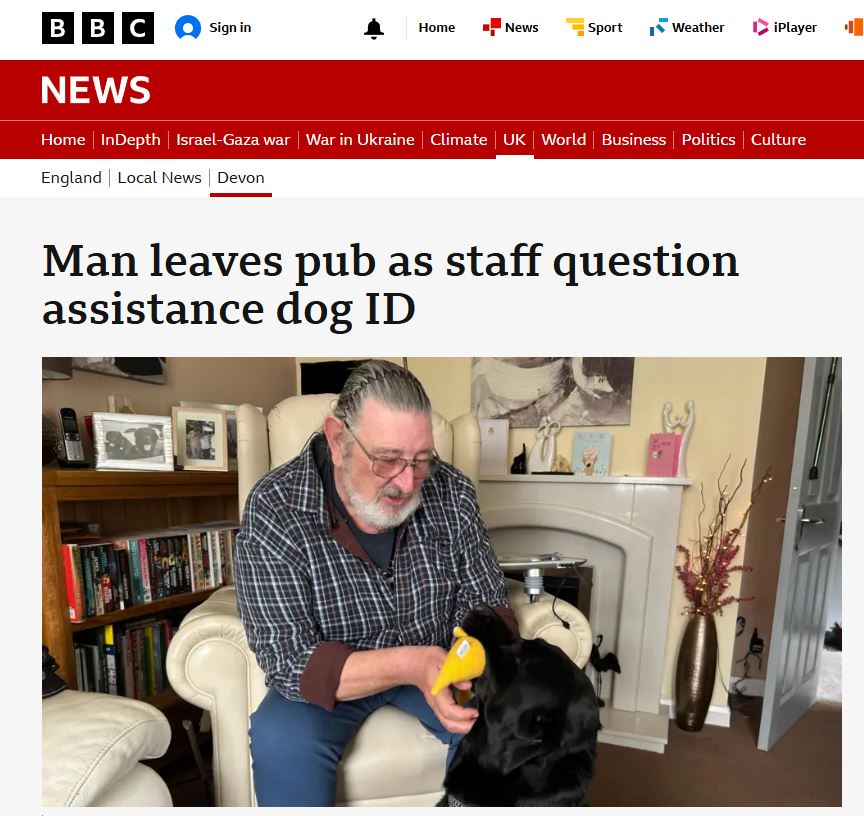
This real incident highlights a growing problem: many public venues still don’t understand the legal protections for assistance dog handlers.
Could this happen to you?
If you rely on an assistance dog—whether owner-trained or charity-trained—you need to know exactly where you stand. This guide explains your rights and what to do if they’re challenged.
What the Law Says About Assistance Dogs in the UK
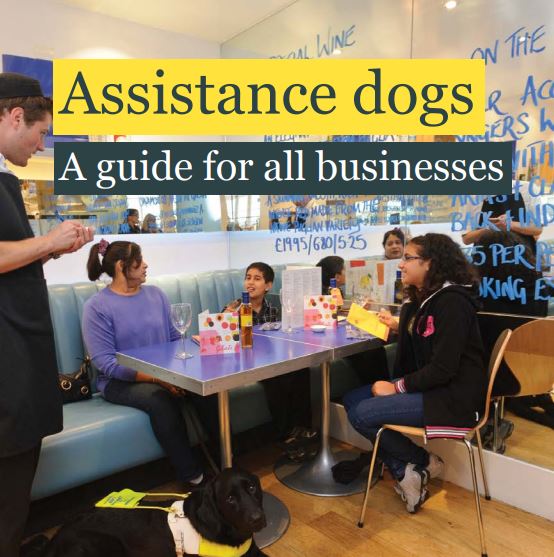
Under the Equality Act 2010, disabled individuals in the UK have the legal right to be accompanied by an assistance dog in shops, restaurants, cafés, taxis, and all other public spaces.
Here’s what the law does not require:
- You do not need to show ID for your dog
- Your dog does not need to be trained by a registered charity
- There is no official government-issued licence or certificate for assistance dogs
As long as your dog is trained to assist with a disability and behaves appropriately in public, you are legally protected.
Yes, Owner-Trained Assistance Dogs Are Legal
Many people still believe only charity-trained dogs qualify. This is false. The law protects all properly trained assistance dogs, including those trained by their owners.
This means:
- You don't need to go through an organisation like Guide Dogs UK
- If your dog is trained to perform tasks related to your disability and behaves well in public, your rights are protected
So Why Do These Incidents Keep Happening?
Because many businesses simply don’t know the law. They assume a lack of ID means the dog isn't legitimate. Unfortunately, this leads to illegal refusals, embarrassment, and discrimination—like what happened in the BBC story.
Voluntary ID Cards: Not Required, But Helpful
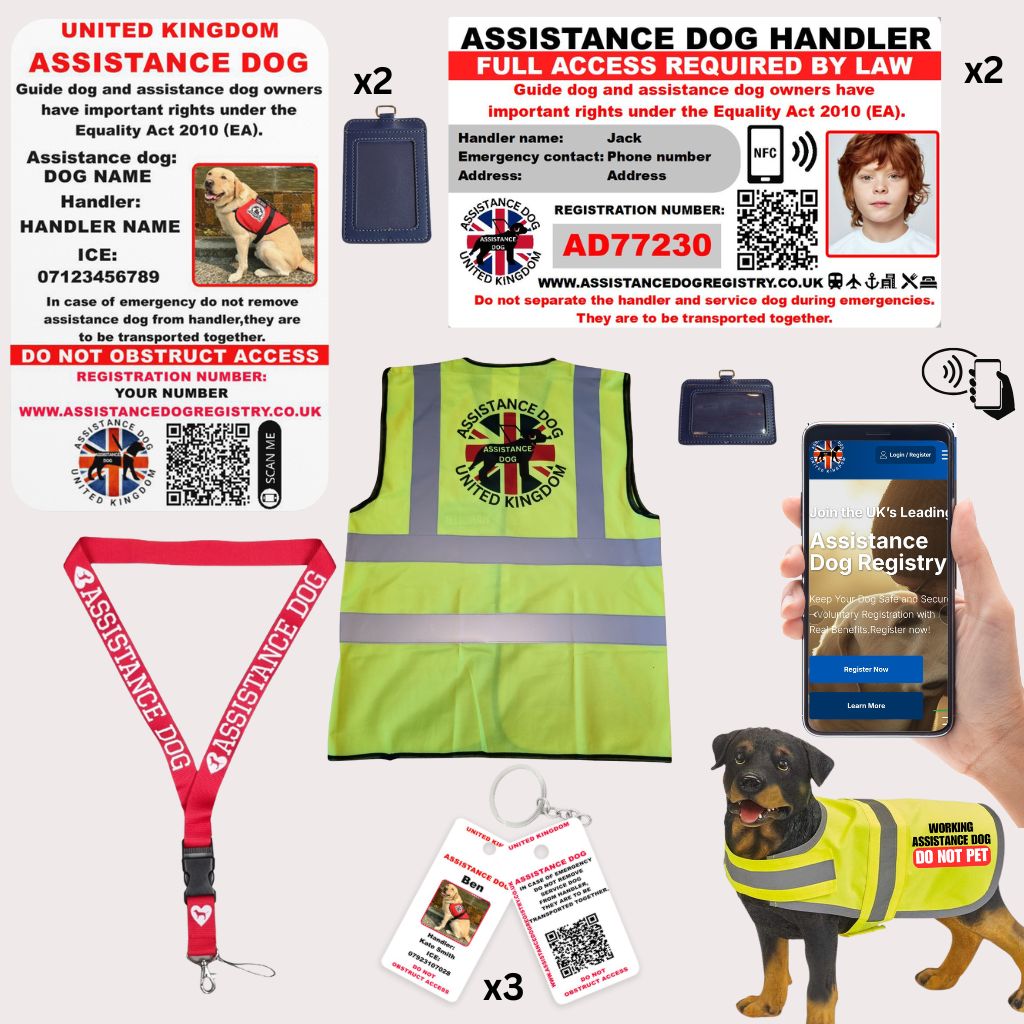
While you are not legally obligated to carry identification, many handlers choose to carry voluntary ID cards or wear a recognisable vest to:
- Avoid confrontation
- Educate others on the spot
- Diffuse uncomfortable situations quickly
- Provide peace of mind in public
How the Voluntary Assistance Dog Registry Helps
That’s exactly why we created AssistanceDogRegistry.co.uk. Our Lifetime Registration Package gives real handlers practical tools to reduce the chance of being questioned or denied access.
With our package, you’ll receive:
- Two official ID cards (handler + dog)
- QR- and NFC-linked dog tags with your profile
- A secure online profile showing your assistance dog’s status
- A lanyard, card holder, and optional vest
- No subscription – one-time lifetime setup
While this does not replace legal rights, it gives you visible, convenient support to help educate others and protect your dignity in public spaces.
See the Lifetime Package Here »
What Should Businesses Know?
Businesses must understand that:
- Asking for proof may breach the Equality Act
- Denying entry to a legitimate assistance dog is discrimination
- Not all disabilities are visible – and not all valid assistance dogs have a charity badge
Educating staff on these facts isn’t optional — it’s a legal and moral responsibility.
Final Thoughts
Disability shouldn’t come with humiliation.
But it will — unless we educate, clarify, and support each other.
If you or someone you love relies on an assistance dog, take a moment to know your rights — and consider tools that can help avoid confusion when it matters most.
Together, we can make public spaces safer and more respectful for those who rely on assistance dogs every day.
Important: The law does not require a dog to be trained by a charity. Owner-trained dogs are legally recognized as long as they perform specific tasks that assist with a disability.
🚫 Is Registration Legally Required? No. There is no legal requirement to register your assistance dog in the UK. Your rights are protected based on what your dog does, not whether they appear on a registry.
✅ So Why Register Voluntarily? While it's not mandatory, registering your dog can:
- Provide easy-to-present proof via smart ID cards and tags
- Help in public access situations
- Offer support materials (law cards, housing letters, GP templates)
- Include NFC cards and QR dog tags that link to your profile
- Help recover your dog if lost
🌟 Spotlight: Lifelong Partnership Package One of our most popular options is the Lifelong Partnership Package, which includes:
- Two smart ID cards
- Dog tags with QR codes
- Online profile with medical/emergency info
- Lanyard, card holder, and high-visibility gear
- One-time payment, no ongoing fees
- Free yearly replacement card
📄 Busting Common Myths:
- You don’t need to be trained by a charity to be legitimate
- You don’t need government-issued certification
- Businesses can’t legally refuse entry based on training source
- Assistance dogs have legal protection under the Equality Act
🏡 Your Rights in Public and Housing Your dog is considered an auxiliary aid — like a wheelchair or hearing aid. That means:
- Shops, restaurants, and services must grant you access
- Landlords must make reasonable adjustments, even with "no pets" policies
🚩 Final Thoughts Whether you're training your own dog or using a professionally trained one, your rights matter. Tools like voluntary registration, ID cards, and digital profiles can make life easier and smoother for both you and your dog.
🎟️ Sign Up for the Lifetime Package Today
💡 Click here to learn more & register
FAQ
1. What is an assistance dog?
An assistance dog is trained to perform specific tasks to aid individuals with disabilities, enhancing their independence and quality of life.
2. Why is socialization important for assistance dogs?
Proper socialization ensures assistance dogs remain calm, focused, and well-behaved in various public settings, enabling them to perform their duties effectively.
3. At what age should I start socializing my assistance dog?
It's beneficial to begin socialization during puppyhood; however, with patience and consistent training, dogs of any age can learn to navigate public environments confidently.
4. How long does it take to socialize an assistance dog?
The duration varies based on the dog's temperament, previous experiences, and the consistency of training. Regular, positive exposure to different environments is key.
5. Can I socialize my assistance dog if they are older?
Yes, older dogs can be socialized successfully. While it may require more time and patience, with positive reinforcement, they can adapt to new situations.
6. What should I do if my assistance dog shows fear in public?
If your dog exhibits fear, calmly remove them from the situation and gradually reintroduce the stimulus at a comfortable distance, rewarding calm behavior.
7. How do I handle public distractions during training?
Teach focus commands like "watch me" to redirect your dog's attention. Gradual exposure to distractions, paired with positive reinforcement, can improve focus.
8. Are there specific public places ideal for socialization?
Begin with quiet areas like parks, then progress to busier environments such as cafes, public transport, and shopping centres as your dog becomes more comfortable.
9. How can I ensure my assistance dog behaves appropriately around other animals?
Controlled introductions and rewarding calm behaviour are essential. Consistent training helps your dog remain focused on their tasks, even around other animals.
10. What are the legal requirements for assistance dogs in public places?
In many regions, assistance dogs are permitted in public areas to support their handlers. It's important to familiarize yourself with local laws and regulations regarding assistance dogs.
Important Assistance Dog Letter Templates
📌 Housing Accommodation Request Letter – Need to request reasonable accommodation from your landlord? This template ensures your rights under the Equality Act 2010 are respected.
📌 Workplace Assistance Dog Request Letter – If you need accommodations to bring your assistance dog to work, this letter outlines your legal rights and reasonable adjustments your employer should consider.
📌 Medical Confirmation of Need for an Assistance Dog – A doctor’s letter template to confirm your need for an assistance dog for public access, travel, and daily life.