
Training Tips for Owner-Trained Assistance Dogs: A Comprehensive Guide
Empowering Handlers to Successfully Train Their Service Companions
Introduction: Training an assistance dog on your own can be a rewarding yet challenging journey. This guide is designed to help handlers who choose to train their assistance dogs independently, providing them with essential tips and techniques to ensure their success. From basic obedience to specific task training, let’s explore how you can effectively train your future service companion.
Understanding the Basics: Before diving into training specifics, it’s crucial to understand what makes a good assistance dog. Traits such as calmness, intelligence, and a willingness to learn are foundational. Begin with basic obedience training, which is the cornerstone for any assistance dog. Commands like sit, stay, come, and heel should be mastered before moving on to more complex tasks.

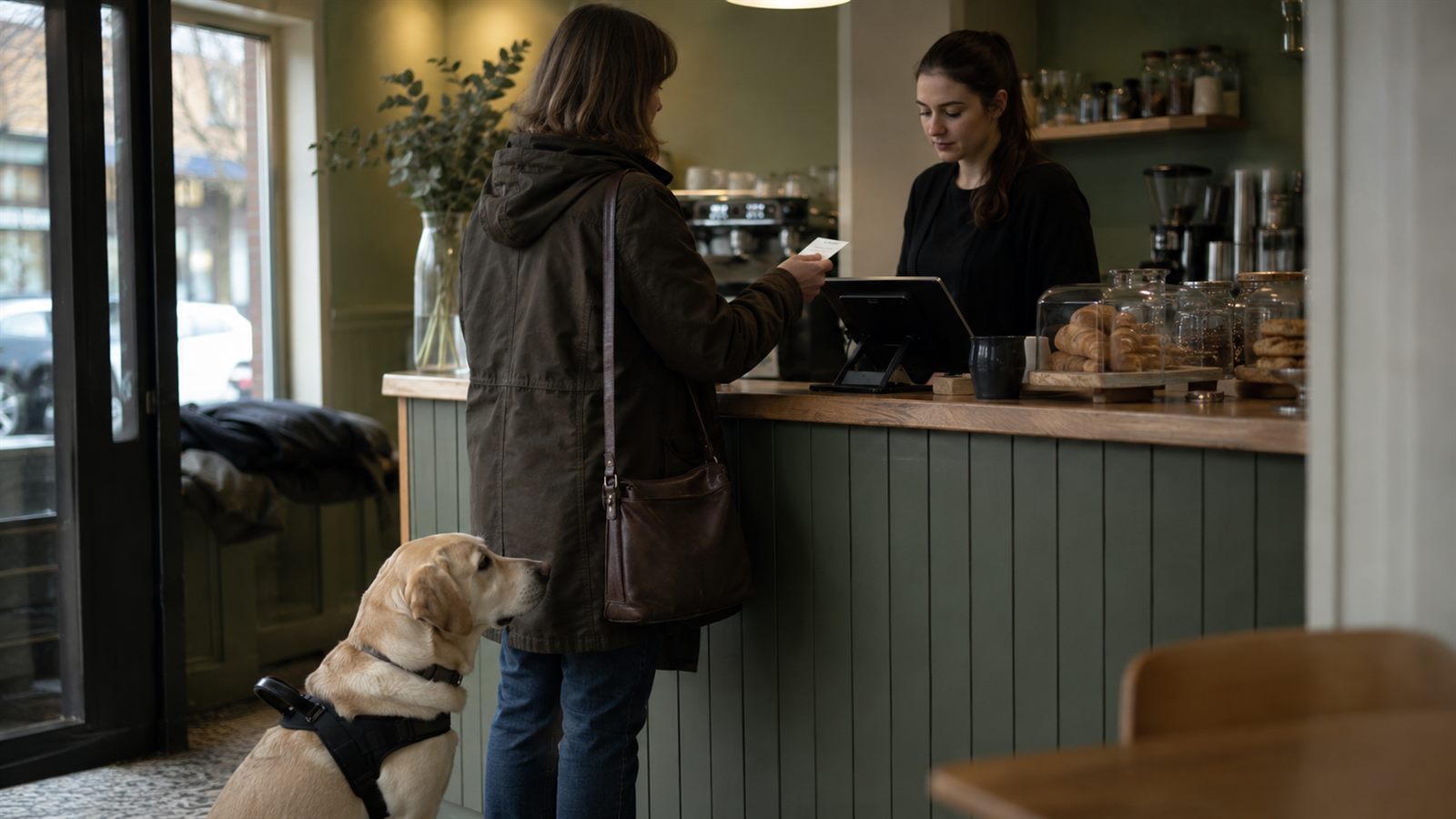
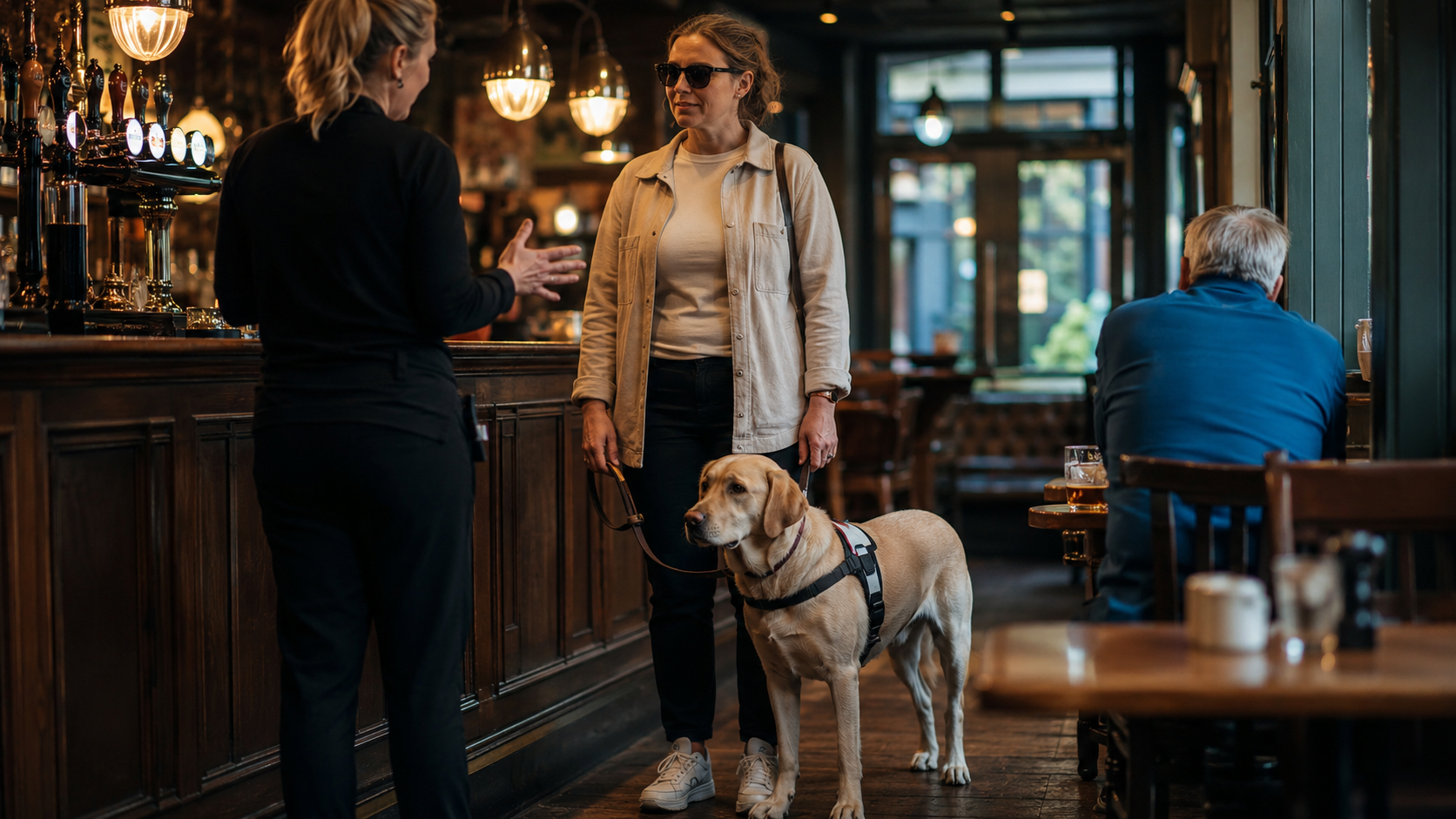
Socialization and Exposure: One of the most important aspects of training an assistance dog is socialization. Expose your dog to different environments, people, and other animals as early and as often as possible. This exposure helps your dog become adaptable and comfortable in various situations, reducing anxiety or distraction in public spaces.
Task-Specific Training: Depending on your needs, your assistance dog will need to perform specific tasks. This could include retrieving objects, opening doors, or providing stability and support. Break down each task into small, manageable steps and train consistently. Use positive reinforcement such as treats, praise, and play to encourage and reward your dog.
Consistency and Patience: Consistency is key in any form of training. Set a regular training schedule and stick to it. Be patient and understanding—some days might be more challenging than others. Remember, training an assistance dog is a marathon, not a sprint, and building a strong, trusting relationship with your dog is essential.
Handling Distractions: Training your dog to handle distractions is crucial for an assistance dog. Gradually introduce distractions during training sessions, starting from minimal to more significant distractions. This teaches your dog to focus on you and the task at hand, regardless of the environment.
Health and Wellness: A healthy dog is a trainable dog. Ensure your assistance dog is well-cared for, with regular veterinary check-ups, a nutritious diet, and plenty of exercise. Mental health is just as important, so provide your dog with mental stimulation through toys, puzzles, and new challenges.
Record Keeping and Progress Tracking: Keep a training log to track your progress and any challenges you encounter. This can be invaluable for reviewing what works, what doesn’t, and adjusting your training methods accordingly.
Seeking Professional Help: While training your dog independently, don’t hesitate to seek professional help when needed. Attending workshops, consulting with professional trainers, or joining support groups can provide you with additional support and guidance.

Mastering the Recall Command: The recall command is one of the most important skills your assistance dog can learn. It ensures that your dog can return to you promptly in any situation, which is crucial for both safety and management. Effective training for recall includes:
- Choosing a distinct command such as "come" or "here" and using a cheerful voice.
- Starting in a controlled environment with few distractions and gradually introducing more.
- Using positive reinforcements like treats, praise, or play when your dog comes to you.
- Practicing with increasing distances and incorporating a long leash if needed.
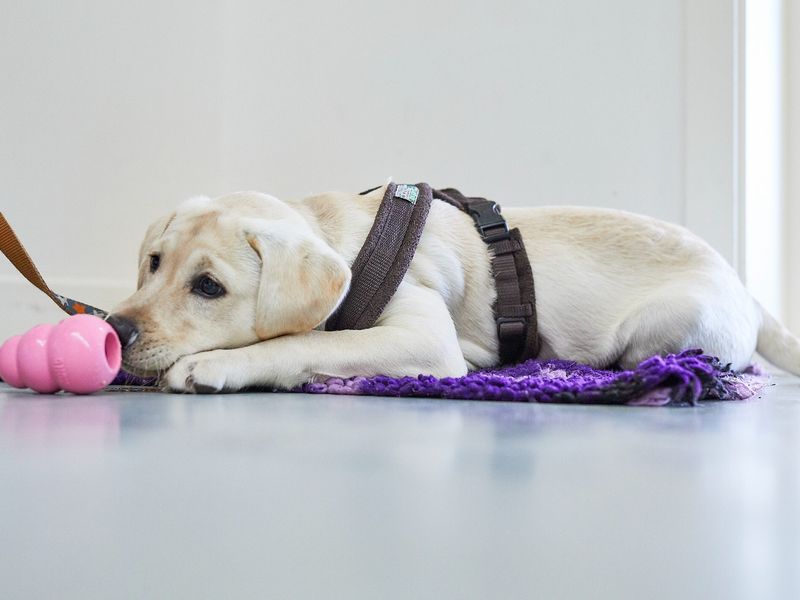
Teaching 'Leave It' – A Vital Impulse Control Skill: "Leave it" is an essential command that helps prevent your dog from picking up dangerous or unwanted items. Steps to train this include:
- Starting with a treat in your closed fist, say "leave it." Reward your dog from your other hand if they obey.
- As your dog masters the skill, place the treat on the floor and cover it with your hand, continuing to use the "leave it" command.
- Gradually move this practice to more realistic situations where you use the command to stop them from approaching real-life temptations.
- Always reinforce the behavior with high-value rewards and ensure regular practice.
Conclusion: Training your own assistance dog is a profound journey that enhances the bond between you and your dog. By following these tips, you can equip your dog with the skills needed to assist you effectively. Remember, every dog is different, so adapt these strategies to suit your dog’s personality and capabilities.
🎟️ Sign Up for the Lifetime Package Today
💡 Click here to learn more & register
FAQ
1. What is an assistance dog?
An assistance dog is trained to perform specific tasks to aid individuals with disabilities, enhancing their independence and quality of life.
2. Why is socialization important for assistance dogs?
Proper socialization ensures assistance dogs remain calm, focused, and well-behaved in various public settings, enabling them to perform their duties effectively.
3. At what age should I start socializing my assistance dog?
It's beneficial to begin socialization during puppyhood; however, with patience and consistent training, dogs of any age can learn to navigate public environments confidently.
4. How long does it take to socialize an assistance dog?
The duration varies based on the dog's temperament, previous experiences, and the consistency of training. Regular, positive exposure to different environments is key.
5. Can I socialize my assistance dog if they are older?
Yes, older dogs can be socialized successfully. While it may require more time and patience, with positive reinforcement, they can adapt to new situations.
6. What should I do if my assistance dog shows fear in public?
If your dog exhibits fear, calmly remove them from the situation and gradually reintroduce the stimulus at a comfortable distance, rewarding calm behavior.
7. How do I handle public distractions during training?
Teach focus commands like "watch me" to redirect your dog's attention. Gradual exposure to distractions, paired with positive reinforcement, can improve focus.
8. Are there specific public places ideal for socialization?
Begin with quiet areas like parks, then progress to busier environments such as cafes, public transport, and shopping centres as your dog becomes more comfortable.
9. How can I ensure my assistance dog behaves appropriately around other animals?
Controlled introductions and rewarding calm behaviour are essential. Consistent training helps your dog remain focused on their tasks, even around other animals.
10. What are the legal requirements for assistance dogs in public places?
In many regions, assistance dogs are permitted in public areas to support their handlers. It's important to familiarize yourself with local laws and regulations regarding assistance dogs.
Important Assistance Dog Letter Templates
📌 Housing Accommodation Request Letter – Need to request reasonable accommodation from your landlord? This template ensures your rights under the Equality Act 2010 are respected.
📌 Workplace Assistance Dog Request Letter – If you need accommodations to bring your assistance dog to work, this letter outlines your legal rights and reasonable adjustments your employer should consider.
📌 Medical Confirmation of Need for an Assistance Dog – A doctor’s letter template to confirm your need for an assistance dog for public access, travel, and daily life.