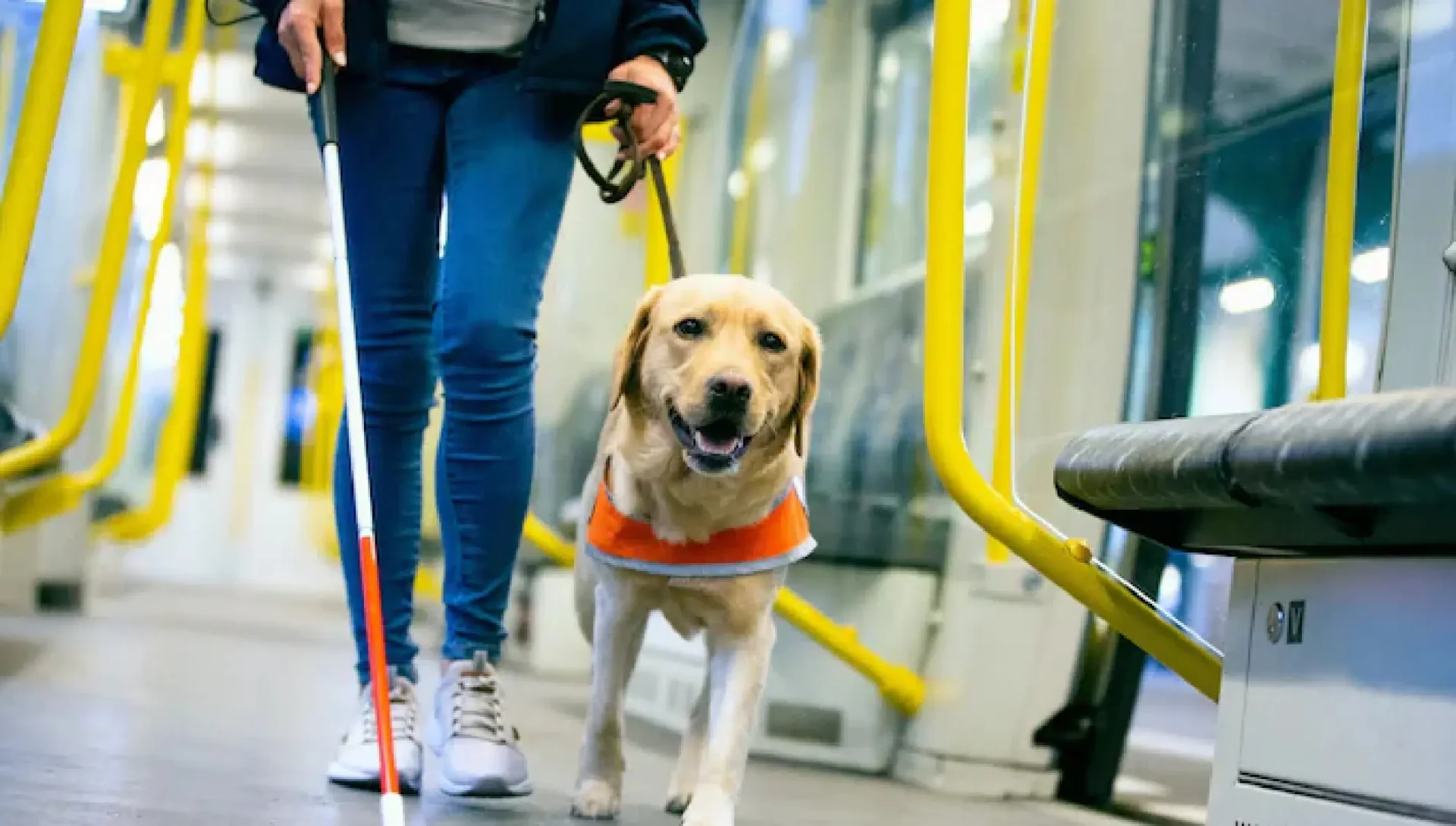
Assistance dogs are more than just loyal companions—they provide critical support to individuals with disabilities, helping them navigate everyday life with greater independence and confidence. These specially trained dogs are capable of performing a wide range of tasks that help their handlers overcome physical, sensory, and mental challenges. Whether it's guiding a person with visual impairment, alerting a person who is deaf, or providing physical assistance to someone with mobility issues, assistance dogs significantly enhance the quality of life for their handlers.
In this blog, we’ll dive into the various roles assistance dogs play, the different types of assistance dogs, and how they help individuals live fuller, more independent lives.
There are several categories of assistance dogs, each trained to meet the specific needs of their handler. Some of the most common types include:
Each of these types of assistance dogs is specifically trained to respond to the unique needs of their handler, ensuring that they can navigate daily life with fewer obstacles.


Assistance dogs are trained to perform a variety of tasks that help their handlers manage day-to-day challenges. These tasks depend on the specific needs of the handler but often include:
These tasks are essential for individuals who rely on their assistance dog for physical, emotional, or medical support, making everyday tasks more manageable and helping to prevent accidents or medical emergencies.
One of the greatest benefits of having an assistance dog is the increased independence it provides to people with disabilities. With an assistance dog by their side, individuals who might otherwise struggle with certain activities can confidently participate in everyday tasks such as shopping, traveling, and working.
For example, a guide dog can enable a person who is visually impaired to travel safely and independently, while a mobility assistance dog can help someone with limited mobility manage tasks that might otherwise require human assistance. Medical alert dogs can also provide peace of mind, knowing that their handler will be warned of impending health issues like seizures or hypoglycemia before they occur.
This newfound independence can have a profound impact on the lives of assistance dog handlers, allowing them to lead fuller, more active lives without relying as heavily on others for help.
Beyond the physical tasks they perform, assistance dogs also offer emotional and psychological support. For many handlers, an assistance dog provides companionship and reduces feelings of isolation, especially for those who may have difficulty leaving their homes or engaging with others due to their disability.
Psychiatric service dogs are particularly skilled at providing emotional grounding, helping individuals manage conditions like anxiety, depression, and PTSD. These dogs can recognize signs of distress and provide comfort by offering tactile stimulation, such as nudging or lying across their handler’s body, to reduce anxiety and improve emotional stability.
The bond between a handler and their assistance dog is often incredibly strong, offering a sense of comfort, safety, and emotional well-being that goes far beyond the tasks the dog is trained to perform.
In the UK, assistance dogs can be trained by accredited organizations or by their owners. Regardless of the training method, assistance dogs must meet certain behavior standards, particularly when in public spaces. They need to remain calm, focused, and well-behaved in various environments, from busy city streets to quiet cafes. This level of training ensures that the dog can perform its duties effectively without causing disruption.
While assistance dogs are not required to wear specific identification or certification, it is highly recommended that they wear vests or harnesses that signal their role as assistance animals. This helps avoid misunderstandings in public spaces and reinforces their right to access areas where pets are normally prohibited.
In the UK, the Equality Act 2010 ensures that assistance dogs and their handlers have the legal right to access public spaces, services, and facilities without discrimination. Businesses and service providers must accommodate assistance dogs, even in places where pets are typically not allowed. Refusing entry to an assistance dog or treating the handler unfavorably due to the presence of the dog is considered unlawful discrimination.
Whether the dog is owner-trained or professionally trained, it plays a critical role in supporting the handler’s independence and well-being. Ensuring that assistance dogs are welcomed and treated appropriately in public spaces is key to upholding the rights and dignity of individuals with disabilities.
Assistance dogs are vital companions that enable individuals with disabilities to lead more independent, confident, and fulfilling lives. Whether they are trained to guide, alert, support, or provide emotional grounding, these dogs perform life-changing tasks that improve the quality of life for their handlers.
If you have an assistance dog, consider registering them through our free registration process to ensure they receive the recognition and support they deserve. Visit our website to learn more about how your dog can help you navigate the world with greater independence and peace of mind.