Training Tips for Owner-Trained Assistance Dogs: A Comprehensive Guide

Training Tips for Owner-Trained Assistance Dogs: A Comprehensive Guide

Empowering Handlers to Successfully Train Their Service Companions

Introduction: Training an assistance dog on your own can be a rewarding yet challenging journey. This guide is designed to help handlers who choose to train their assistance dogs independently, providing them with essential tips and techniques to ensure their success. From basic obedience to specific task training, letโ€™s explore how you can effectively train your future service companion.

Understanding the Basics: Before diving into training specifics, itโ€™s crucial to understand what makes a good assistance dog. Traits such as calmness, intelligence, and a willingness to learn are foundational. Begin with basic obedience training, which is the cornerstone for any assistance dog. Commands like sit, stay, come, and heel should be mastered before moving on to more complex tasks.

Socialization and Exposure: One of the most important aspects of training an assistance dog is socialization. Expose your dog to different environments, people, and other animals as early and as often as possible. This exposure helps your dog become adaptable and comfortable in various situations, reducing anxiety or distraction in public spaces.

Task-Specific Training: Depending on your needs, your assistance dog will need to perform specific tasks. This could include retrieving objects, opening doors, or providing stability and support. Break down each task into small, manageable steps and train consistently. Use positive reinforcement such as treats, praise, and play to encourage and reward your dog.

Consistency and Patience: Consistency is key in any form of training. Set a regular training schedule and stick to it. Be patient and understandingโ€”some days might be more challenging than others. Remember, training an assistance dog is a marathon, not a sprint, and building a strong, trusting relationship with your dog is essential.

Handling Distractions: Training your dog to handle distractions is crucial for an assistance dog. Gradually introduce distractions during training sessions, starting from minimal to more significant distractions. This teaches your dog to focus on you and the task at hand, regardless of the environment.

Health and Wellness: A healthy dog is a trainable dog. Ensure your assistance dog is well-cared for, with regular veterinary check-ups, a nutritious diet, and plenty of exercise. Mental health is just as important, so provide your dog with mental stimulation through toys, puzzles, and new challenges.

Record Keeping and Progress Tracking: Keep a training log to track your progress and any challenges you encounter. This can be invaluable for reviewing what works, what doesnโ€™t, and adjusting your training methods accordingly.

Seeking Professional Help: While training your dog independently, donโ€™t hesitate to seek professional help when needed. Attending workshops, consulting with professional trainers, or joining support groups can provide you with additional support and guidance.

Mastering the Recall Command: The recall command is one of the most important skills your assistance dog can learn. It ensures that your dog can return to you promptly in any situation, which is crucial for both safety and management. Effective training for recall includes:

  • Choosing a distinct command such as "come" or "here" and using a cheerful voice.
  • Starting in a controlled environment with few distractions and gradually introducing more.
  • Using positive reinforcements like treats, praise, or play when your dog comes to you.
  • Practicing with increasing distances and incorporating a long leash if needed.
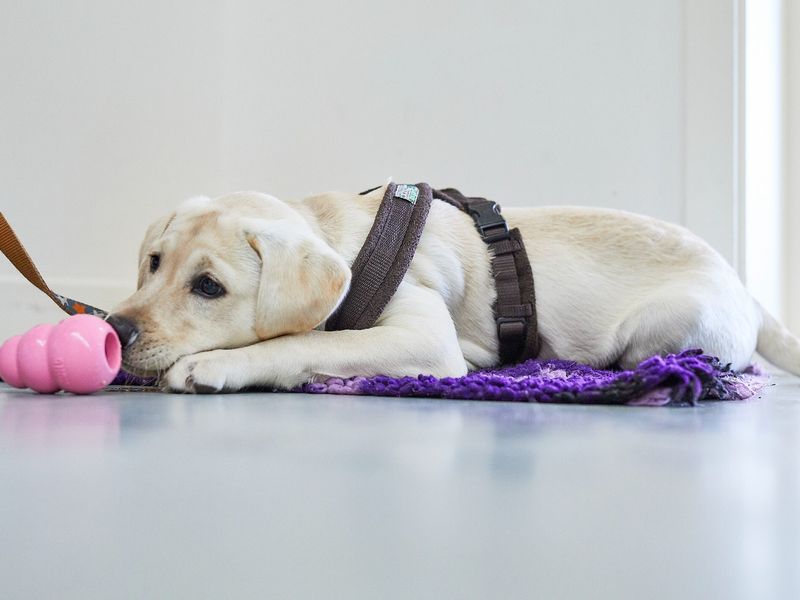
Teaching 'Leave It' โ€“ A Vital Impulse Control Skill: "Leave it" is an essential command that helps prevent your dog from picking up dangerous or unwanted items. Steps to train this include:

  • Starting with a treat in your closed fist, say "leave it." Reward your dog from your other hand if they obey.
  • As your dog masters the skill, place the treat on the floor and cover it with your hand, continuing to use the "leave it" command.
  • Gradually move this practice to more realistic situations where you use the command to stop them from approaching real-life temptations.
  • Always reinforce the behavior with high-value rewards and ensure regular practice.

Conclusion: Training your own assistance dog is a profound journey that enhances the bond between you and your dog. By following these tips, you can equip your dog with the skills needed to assist you effectively. Remember, every dog is different, so adapt these strategies to suit your dogโ€™s personality and capabilities.

๐ŸŽŸ๏ธ Sign Up for the Lifetime Package Today

๐Ÿ’ก Click here to learn more & register


FAQ

1. What is an assistance dog?

An assistance dog is trained to perform specific tasks to aid individuals with disabilities, enhancing their independence and quality of life.

Wikipedia

2. Why is socialization important for assistance dogs?

Proper socialization ensures assistance dogs remain calm, focused, and well-behaved in various public settings, enabling them to perform their duties effectively.

3. At what age should I start socializing my assistance dog?

It's beneficial to begin socialization during puppyhood; however, with patience and consistent training, dogs of any age can learn to navigate public environments confidently.

4. How long does it take to socialize an assistance dog?

The duration varies based on the dog's temperament, previous experiences, and the consistency of training. Regular, positive exposure to different environments is key.

5. Can I socialize my assistance dog if they are older?

Yes, older dogs can be socialized successfully. While it may require more time and patience, with positive reinforcement, they can adapt to new situations.

6. What should I do if my assistance dog shows fear in public?

If your dog exhibits fear, calmly remove them from the situation and gradually reintroduce the stimulus at a comfortable distance, rewarding calm behavior.

7. How do I handle public distractions during training?

Teach focus commands like "watch me" to redirect your dog's attention. Gradual exposure to distractions, paired with positive reinforcement, can improve focus.

8. Are there specific public places ideal for socialization?

Begin with quiet areas like parks, then progress to busier environments such as cafes, public transport, and shopping centres as your dog becomes more comfortable.

9. How can I ensure my assistance dog behaves appropriately around other animals?

Controlled introductions and rewarding calm behaviour are essential. Consistent training helps your dog remain focused on their tasks, even around other animals.

10. What are the legal requirements for assistance dogs in public places?

In many regions, assistance dogs are permitted in public areas to support their handlers. It's important to familiarize yourself with local laws and regulations regarding assistance dogs.

Important Assistance Dog Letter Templates

๐Ÿ“Œ Housing Accommodation Request Letter โ€“ Need to request reasonable accommodation from your landlord? This template ensures your rights under the Equality Act 2010 are respected.

๐Ÿ“Œ Workplace Assistance Dog Request Letter โ€“ If you need accommodations to bring your assistance dog to work, this letter outlines your legal rights and reasonable adjustments your employer should consider.

๐Ÿ“Œ Medical Confirmation of Need for an Assistance Dog โ€“ A doctorโ€™s letter template to confirm your need for an assistance dog for public access, travel, and daily life.

Related Post

More Helpful Guides for Handlers

Can Shops Refuse Assistance Dogs in the UK? Your Legal Rights Explained
Est. Reading: 6 minutes

Can a Business Legally Refuse an Assistance Dog in the UK?

Your Rights Under the Equality Act 2010

If you rely on an assistance dog, one of the most stressful situations you can experience is being challenged in public.

You walk into a café, shop, or restaurant and a member of staff suddenly says:

“Sorry, no dogs allowed.”

People look at you. You feel embarrassed, frustrated, and unsure how to respond.

Many assistance dog handlers experience this at some point. The problem is that many businesses simply do not understand the law.

So the question is:

Can a business legally refuse an assistance dog in the UK?

In most situations, the answer is no.

Understanding your legal rights can make these situations much easier to handle.


The Law: The Equality Act 2010

The legal protection for assistance dog handlers in the UK comes from the Equality Act 2010.

Under this law, businesses must make reasonable adjustments so disabled people can access services in the same way as everyone else.

For many disabled people, an assistance dog is an essential part of daily life. These dogs perform important tasks such as:

  • guiding people with visual impairments
  • alerting to medical conditions
  • providing mobility support
  • assisting with psychiatric or neurological disabilities

Because of this, refusing entry to someone simply because they are accompanied by an assistance dog can amount to disability discrimination.

This means businesses should usually allow assistance dogs into places such as:

  • shops
  • cafés and restaurants
  • taxis and public transport
  • hotels and accommodation
  • supermarkets
  • public buildings

Even if a business normally has a “no dogs” policy, assistance dogs are generally an exception.


Do Assistance Dogs Need to Be Registered in the UK?

This is one of the most common misunderstandings.

Under the Equality Act 2010, assistance dogs do not need to be officially registered with any government organisation.

The law does not require:

  • registration
  • ID cards
  • special jackets or vests
  • certification from a particular training organisation

Many assistance dogs in the UK are owner-trained, and they can still be protected under the Equality Act as long as they assist a disabled person with tasks related to their disability.

However, misunderstandings still happen because many businesses are not fully aware of how the law works.


What Businesses Are Allowed to Ask

Although businesses should not refuse access simply because of the dog, staff may ask reasonable questions to understand the situation.

For example, they may ask:

  • Is this an assistance dog required because of a disability?
  • What tasks does the dog help you with?

These questions help staff understand that the dog is working and not simply a pet.

However, businesses should not demand medical proof or detailed personal information about your disability.

You are not required to disclose private medical details in order to access services.


What To Do If You Are Refused Entry

If a business refuses your assistance dog, the situation can feel upsetting and confrontational. However, staying calm often helps resolve the issue quickly.

Here are some practical steps you can take.

Stay calm and explain politely

Many staff members simply do not understand the law. Calmly explaining that your dog is an assistance dog protected under the Equality Act can often resolve the situation.

Ask to speak with a manager

Managers are usually more familiar with policies and may resolve the issue quickly.

Briefly explain the Equality Act

You can explain that refusing access because of an assistance dog may be considered disability discrimination under the Equality Act 2010.

Document the incident if necessary

If the problem continues, you may wish to note the business name, location, and what happened. This information can be useful if you decide to make a complaint later.

Most situations resolve quickly once staff understand the legal position.


Why Some Handlers Carry Identification

Although identification is not legally required, many assistance dog handlers choose to carry tools that help avoid misunderstandings.

These may include:

These tools can help staff quickly understand the situation and often prevent uncomfortable confrontations.

Many handlers find that clear identification helps make everyday interactions smoother.


Optional Registry Profiles for Assistance Dog Handlers

Some handlers choose to create a profile in the Assistance Dog Registry to make communication easier when questions arise.

A registry profile can include:

  • handler and dog information
  • optional identification cards
  • an online profile that can be shown if requested

While registration is not required by law, many handlers find that having clear information available helps avoid misunderstandings in public places.


Lifetime Membership With Payment Plans

For handlers who want long-term access to their registry profile and identification tools, the Lifetime Partner Membership offers a permanent option.

This can include:

  • a permanent registry profile
  • a personalised assistance dog ID card
  • a handler and dog information page
  • optional identification accessories

To make this easier for handlers, the Lifetime membership can also be purchased using payment plan options such as Klarna or Clearpay. This allows the cost to be split into smaller payments rather than paying everything upfront.


Final Thoughts

Being challenged in public with an assistance dog can be frustrating, especially when you know your dog is helping you live independently.

The important thing to remember is that under the Equality Act 2010, businesses are generally required to make reasonable adjustments for disabled people. This usually includes allowing assistance dogs to enter premises even if pets are normally not allowed.

Understanding your rights can help you handle these situations calmly and confidently.

At the same time, many handlers choose to carry identification or maintain a registry profile to make everyday interactions easier and avoid unnecessary conflict.

As awareness improves, situations like these should become less common. Until then, having clear information available can make a big difference.

Legal Information Disclaimer

This article is provided for general informational purposes only and does not constitute legal advice.

While every effort has been made to ensure the information is accurate at the time of writing, laws and regulations may change and individual circumstances can vary.

Nothing in this article should be taken as professional legal advice. If you require advice regarding your specific situation, you should contact a qualified legal professional or a relevant support organisation.

For independent guidance on disability rights in the UK, you may contact the Citizens Advice consumer service or seek advice from a qualified solicitor specialising in disability discrimination law.

ACAS Helpline:
📱 0300 123 1100 — Monday to Friday, 8am–6pm (standard UK call rates apply)

Text Relay (for people who are deaf or have speech impairments):
☎️ 18001 0300 123 1100

Register your assistance dog today and enjoy every sunny moment without setbacks.

🎟️ Sign Up for the Lifetime Package Today

💡 Click here to learn more & register


FAQ

1. What is an assistance dog?

An assistance dog is trained to perform specific tasks to aid individuals with disabilities, enhancing their independence and quality of life.

Wikipedia

2. Why is socialization important for assistance dogs?

Proper socialization ensures assistance dogs remain calm, focused, and well-behaved in various public settings, enabling them to perform their duties effectively.

3. At what age should I start socializing my assistance dog?

It's beneficial to begin socialization during puppyhood; however, with patience and consistent training, dogs of any age can learn to navigate public environments confidently.

4. How long does it take to socialize an assistance dog?

The duration varies based on the dog's temperament, previous experiences, and the consistency of training. Regular, positive exposure to different environments is key.

5. Can I socialize my assistance dog if they are older?

Yes, older dogs can be socialized successfully. While it may require more time and patience, with positive reinforcement, they can adapt to new situations.

6. What should I do if my assistance dog shows fear in public?

If your dog exhibits fear, calmly remove them from the situation and gradually reintroduce the stimulus at a comfortable distance, rewarding calm behavior.

7. How do I handle public distractions during training?

Teach focus commands like "watch me" to redirect your dog's attention. Gradual exposure to distractions, paired with positive reinforcement, can improve focus.

8. Are there specific public places ideal for socialization?

Begin with quiet areas like parks, then progress to busier environments such as cafes, public transport, and shopping centres as your dog becomes more comfortable.

9. How can I ensure my assistance dog behaves appropriately around other animals?

Controlled introductions and rewarding calm behaviour are essential. Consistent training helps your dog remain focused on their tasks, even around other animals.

10. What are the legal requirements for assistance dogs in public places?

In many regions, assistance dogs are permitted in public areas to support their handlers. It's important to familiarize yourself with local laws and regulations regarding assistance dogs.

Learn more about our Lifelong Partner Package

Learn More – Additional Assistance Dog Letter Templates

If you found this travel guide useful, you may also benefit from these other essential assistance dog letter templates we’ve published:

📌 Housing Accommodation Request Letter – Need to request reasonable accommodation from your landlord? This template ensures your rights under the Equality Act 2010 are respected.

📌 Workplace Assistance Dog Request Letter – If you need accommodations to bring your assistance dog to work, this letter outlines your legal rights and reasonable adjustments your employer should consider.

📌 Medical Confirmation of Need for an Assistance Dog – A doctor’s letter template to confirm your need for an assistance dog for public access, travel, and daily life.
🔹 More templates are coming soon! Let us know if you have specific needs, and we’ll create more resources to support assistance dog handlers.

Empowering Handlers with Essential Knowledge
Est. Reading: 3 minutes

Unlock Your Journey: Essential Rights for UK Self-Trained Assistance Dogs

A Practical Legal Guide to Empowering Your Journey

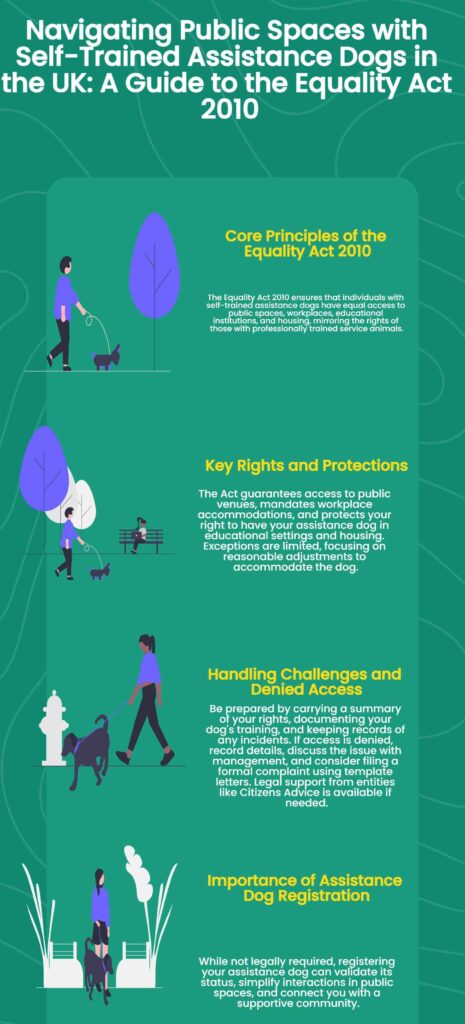
Venture confidently into public spaces with your self-trained assistance dog, armed with the knowledge of your legal rights in the UK. This guide simplifies the complexities of the Equality Act 2010, focusing on how it supports you and your canine partner.

Understanding the Equality Act 2010:
At the heart of disability rights in the UK, the Equality Act 2010 is pivotal for assistance dog handlers. It guarantees that those relying on self-trained dogs receive the same access as professionally trained service animals, emphasizing inclusivity and accessibility.

Key Rights Under the Equality Act 2010:

  • Access to Public Spaces: Your right to enter public venues with your assistance dog is protected. Understand the few exceptions and how to navigate them.
  • Workplace Adaptations: Employers must accommodate your assistance dog, ensuring you can perform your job effectively.
  • Education and Housing Rights: From universities to rented homes, your rights to have your assistance dog by your side are clear and enforceable.

Navigating Challenges with Confidence:

  • Be Prepared: Carry a summary of your rights. Knowledge is power, and being able to articulate your rights can defuse potential conflicts.
  • Document Everything: Keep a log of your dog’s training and any incidents to support your position if challenged.

Immediate Steps If Denied Access:

  1. Record Details: Note what happened, who was involved, and where.
  2. Discuss: Talk to the establishment’s management calmly and clearly.
  3. Formal Complaint: Use template letters to draft a complaint if the issue isn’t resolved on the spot.
  4. Legal Support: Seek advice from entities like Citizens Advice if you need further assistance.
  5. Public Advocacy: Sharing your story can rally community support and drive change.

Why Register Your Assistance Dog?

While not mandatory, registration validates your dog’s status, facilitating smoother public interactions and providing access to a supportive community.

Conclusion:
Embrace your rights under the Equality Act 2010. With this guide, you’re equipped to face public spaces with your self-trained assistance dog not just as a companion, but as a recognized and respected part of your life.

🎟️ Sign Up for the Lifetime Package Today

💡 Click here to learn more & register


FAQ

1. What is an assistance dog?

An assistance dog is trained to perform specific tasks to aid individuals with disabilities, enhancing their independence and quality of life.

Wikipedia

2. Why is socialization important for assistance dogs?

Proper socialization ensures assistance dogs remain calm, focused, and well-behaved in various public settings, enabling them to perform their duties effectively.

3. At what age should I start socializing my assistance dog?

It's beneficial to begin socialization during puppyhood; however, with patience and consistent training, dogs of any age can learn to navigate public environments confidently.

4. How long does it take to socialize an assistance dog?

The duration varies based on the dog's temperament, previous experiences, and the consistency of training. Regular, positive exposure to different environments is key.

5. Can I socialize my assistance dog if they are older?

Yes, older dogs can be socialized successfully. While it may require more time and patience, with positive reinforcement, they can adapt to new situations.

6. What should I do if my assistance dog shows fear in public?

If your dog exhibits fear, calmly remove them from the situation and gradually reintroduce the stimulus at a comfortable distance, rewarding calm behavior.

7. How do I handle public distractions during training?

Teach focus commands like "watch me" to redirect your dog's attention. Gradual exposure to distractions, paired with positive reinforcement, can improve focus.

8. Are there specific public places ideal for socialization?

Begin with quiet areas like parks, then progress to busier environments such as cafes, public transport, and shopping centres as your dog becomes more comfortable.

9. How can I ensure my assistance dog behaves appropriately around other animals?

Controlled introductions and rewarding calm behaviour are essential. Consistent training helps your dog remain focused on their tasks, even around other animals.

10. What are the legal requirements for assistance dogs in public places?

In many regions, assistance dogs are permitted in public areas to support their handlers. It's important to familiarize yourself with local laws and regulations regarding assistance dogs.

Important Assistance Dog Letter Templates

📌 Housing Accommodation Request Letter – Need to request reasonable accommodation from your landlord? This template ensures your rights under the Equality Act 2010 are respected.

📌 Workplace Assistance Dog Request Letter – If you need accommodations to bring your assistance dog to work, this letter outlines your legal rights and reasonable adjustments your employer should consider.

📌 Medical Confirmation of Need for an Assistance Dog – A doctor’s letter template to confirm your need for an assistance dog for public access, travel, and daily life.

Owner-Trained vs. Charity-Trained Assistance Dogs
Est. Reading: 6 minutes

Owner-Trained vs. Charity-Trained Assistance Dogs: Which Path Is Right for You?

How to Ensure Your Owner-Trained Assistance Dog Is Accepted

Assistance dogs play a crucial role in helping people with disabilities lead more independent lives. Whether guiding visually impaired individuals, assisting with mobility, or providing medical alerts, these highly trained dogs make a significant impact. However, many people are unaware that assistance dogs can be owner-trained or charity-trained—each with its advantages and challenges.

In this blog post, we’ll explore the key differences between owner-trained and charity-trained assistance dogs, dispel common myths, and clarify legal rights under the Equality Act 2010 in the UK.

Understanding Assistance Dogs

An assistance dog is trained to perform specific tasks to assist an individual with a disability. These tasks can include:

  • Guiding a person with visual impairments
  • Alerting someone with hearing loss to important sounds
  • Providing mobility support for those with physical disabilities
  • Recognizing and responding to medical conditions such as epilepsy or diabetes
  • Offering psychiatric assistance for mental health conditions

While many people think only guide dogs or service dogs from charities qualify as assistance dogs, UK law does not require an assistance dog to be charity-trained to receive public access rights.

What Is a Charity-Trained Assistance Dog?

Charity-trained assistance dogs are professionally trained by non-profit organizations, such as:

  • Guide Dogs UK (for the visually impaired)
  • Hearing Dogs for Deaf People
  • Dogs for Good (for physical disabilities and autism support)
  • Canine Partners (for mobility assistance)

Benefits of a Charity-Trained Assistance Dog

  1. Highly Specialized Training – These dogs undergo extensive training (usually 18+ months) with professional trainers.
  2. No Upfront Cost – The dog is provided free of charge or at a minimal fee.
  3. Public Recognition & Acceptance – Many businesses recognize charity-trained assistance dogs, reducing access issues.
  4. Support & Ongoing Training – Handlers receive post-placement support from the charity.

Challenges of a Charity-Trained Assistance Dog

  1. Long Waiting Lists – Many charities have 2-4 year waiting periods due to high demand.
  2. Strict Eligibility Criteria – Applicants must meet specific medical and lifestyle requirements.
  3. Limited Training for Unique Disabilities – Charity-trained dogs focus on common disabilities, meaning some people might not qualify.
  4. No Control Over Dog Selection – Handlers do not get to choose their dog, as the charity matches dogs based on availability and suitability.

What Is an Owner-Trained Assistance Dog?

An owner-trained assistance dog is one that an individual personally trains to assist with their specific disability. Training can be done independently or with the help of professional dog trainers.

Benefits of an Owner-Trained Assistance Dog

  1. Customized Training – Owners can tailor training to fit their specific needs and daily lifestyle.
  2. No Waiting List – Handlers can start training immediately rather than waiting for a charity-trained dog.
  3. Choice of Dog – Owners can select a breed that best suits their disability and personal preferences.
  4. Lower Costs – While professional training courses may cost money, overall expenses are often lower than charity-trained programs.

Challenges of an Owner-Trained Assistance Dog

  1. Time & Commitment – It requires extensive dedication, often 1-2 years of consistent training.
  2. Knowledge & Expertise – Owners must learn about positive reinforcement, behavior shaping, and public access training.
  3. Public Acceptance Issues – Some businesses may be skeptical of owner-trained assistance dogs.
  4. No Official Certification Required in the UK – Some people assume that assistance dogs must be registered, which is false. However, owner-trained assistance dogs may face more public scrutiny.

Legal Rights of Assistance Dog Handlers in the UK

Under the Equality Act 2010, an assistance dog is legally recognized if:

  • The handler has a disability.
  • The dog is trained to perform specific tasks related to that disability.
  • The dog has been trained by either a professional organization or the owner.

Common Myths Debunked

Myth: Only Charity-Trained Dogs Are Legal Assistance Dogs ✔️ Fact: UK law does not require dogs to be trained by a charity. Owner-trained dogs are fully legal.

Myth: Assistance Dogs Must Be Certified ✔️ Fact: There is no legal certification or registration requirement for assistance dogs in the UK.

Myth: Businesses Can Refuse Entry to Owner-Trained Assistance Dogs ✔️ Fact: Under the Equality Act, businesses must allow access to assistance dogs, regardless of whether they were charity-trained or owner-trained.

How to Ensure Your Owner-Trained Assistance Dog Is Accepted

Even though the law protects owner-trained assistance dogs, education and preparation can help ensure smoother public access.

1. Train to High Public Access Standards

  • Ensure your dog is well-behaved in public settings.
  • Your dog should remain calm in busy environments and respond to commands reliably.

2. Have Proper Identification

  • While ID cards are not required, having an ID badge, vest, or documentation can reduce confrontations.
  • Our Assistance Dog Law Cards provide a clear explanation of your rights under the Equality Act 2010.

3. Educate Businesses

  • Many businesses simply don’t understand the law.
  • If challenged, politely explain that UK law does not require assistance dogs to be charity-trained.
  • Carry a law card or printed information to show staff.

Final Thoughts: Which Option Is Right for You?

The choice between an owner-trained and charity-trained assistance dog depends on your needs, lifestyle, and resources.

Choose a Charity-Trained Dog if: ✔️ You want a fully trained dog from a professional organization. ✔️ You are willing to wait several years for a placement. ✔️ You need ongoing support and guidance.

Choose an Owner-Trained Dog if: ✔️ You want full control over the training process. ✔️ You need a dog immediately and don’t want to wait for a charity placement. ✔️ You’re willing to invest time in learning proper training techniques.

Regardless of which path you choose, assistance dogs provide invaluable support for individuals with disabilities. If you’re considering training your own dog, be patient, stay committed, and know that you have legal rights protecting your access to public places.


dog is protected by law. If a landlord refuses, remind them of their legal obligations under the Equality Act 2010 and provide reasonable documentation. For added credibility, consider registering your assistance dog with our voluntary registry for ID cards, NFC verification, and legal support.

🎟️ Sign Up for the Lifetime Package Today

💡 Click here to learn more & register


FAQ

1. What is an assistance dog?

An assistance dog is trained to perform specific tasks to aid individuals with disabilities, enhancing their independence and quality of life.

Wikipedia

2. Why is socialization important for assistance dogs?

Proper socialization ensures assistance dogs remain calm, focused, and well-behaved in various public settings, enabling them to perform their duties effectively.

3. At what age should I start socializing my assistance dog?

It's beneficial to begin socialization during puppyhood; however, with patience and consistent training, dogs of any age can learn to navigate public environments confidently.

4. How long does it take to socialize an assistance dog?

The duration varies based on the dog's temperament, previous experiences, and the consistency of training. Regular, positive exposure to different environments is key.

5. Can I socialize my assistance dog if they are older?

Yes, older dogs can be socialized successfully. While it may require more time and patience, with positive reinforcement, they can adapt to new situations.

6. What should I do if my assistance dog shows fear in public?

If your dog exhibits fear, calmly remove them from the situation and gradually reintroduce the stimulus at a comfortable distance, rewarding calm behavior.

7. How do I handle public distractions during training?

Teach focus commands like "watch me" to redirect your dog's attention. Gradual exposure to distractions, paired with positive reinforcement, can improve focus.

8. Are there specific public places ideal for socialization?

Begin with quiet areas like parks, then progress to busier environments such as cafes, public transport, and shopping centres as your dog becomes more comfortable.

9. How can I ensure my assistance dog behaves appropriately around other animals?

Controlled introductions and rewarding calm behaviour are essential. Consistent training helps your dog remain focused on their tasks, even around other animals.

10. What are the legal requirements for assistance dogs in public places?

In many regions, assistance dogs are permitted in public areas to support their handlers. It's important to familiarize yourself with local laws and regulations regarding assistance dogs.

Important Assistance Dog Letter Templates

📌 Housing Accommodation Request Letter – Need to request reasonable accommodation from your landlord? This template ensures your rights under the Equality Act 2010 are respected.

📌 Workplace Assistance Dog Request Letter – If you need accommodations to bring your assistance dog to work, this letter outlines your legal rights and reasonable adjustments your employer should consider.

📌 Medical Confirmation of Need for an Assistance Dog – A doctor’s letter template to confirm your need for an assistance dog for public access, travel, and daily life.

1 2 3
Assistance Dog Registry usertagcalendar-fullclock
linkedin facebook pinterest youtube rss twitter instagram facebook-blank rss-blank linkedin-blank pinterest youtube twitter instagram