
A recent BBC report interviewed a man who was refused service at a Wetherspoon pub simply because he had an assistance dog. The staff didn’t recognise his rights, and the manager demanded ID that isn't required by law.
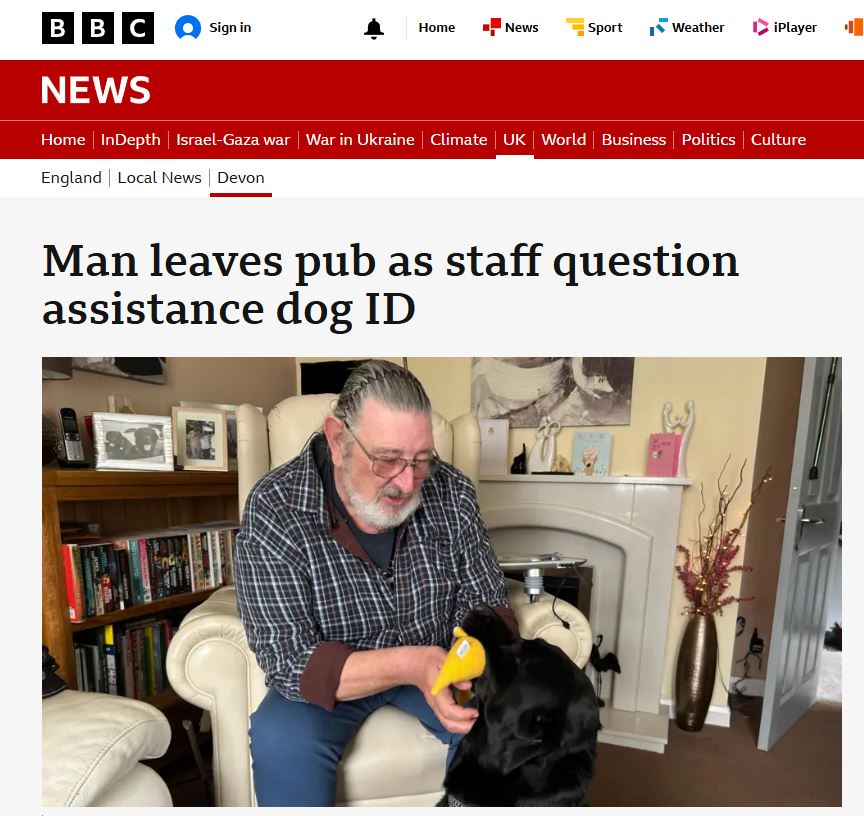
This real incident highlights a growing problem: many public venues still don’t understand the legal protections for assistance dog handlers.
Could this happen to you?
If you rely on an assistance dog—whether owner-trained or charity-trained—you need to know exactly where you stand. This guide explains your rights and what to do if they’re challenged.
Under the Equality Act 2010, disabled individuals in the UK have the legal right to be accompanied by an assistance dog in shops, restaurants, cafés, taxis, and all other public spaces.
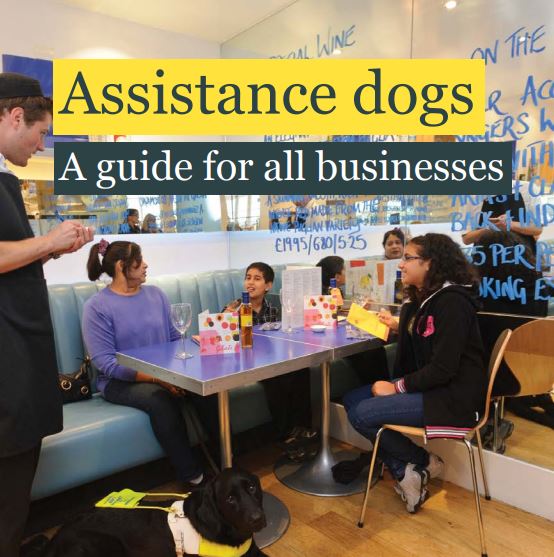
Here’s what the law does not require:
As long as your dog is trained to assist with a disability and behaves appropriately in public, you are legally protected.
Many people still believe only charity-trained dogs qualify. This is false. The law protects all properly trained assistance dogs, including those trained by their owners.
This means:
Because many businesses simply don’t know the law. They assume a lack of ID means the dog isn't legitimate. Unfortunately, this leads to illegal refusals, embarrassment, and discrimination—like what happened in the BBC story.
While you are not legally obligated to carry identification, many handlers choose to carry voluntary ID cards or wear a recognisable vest to:
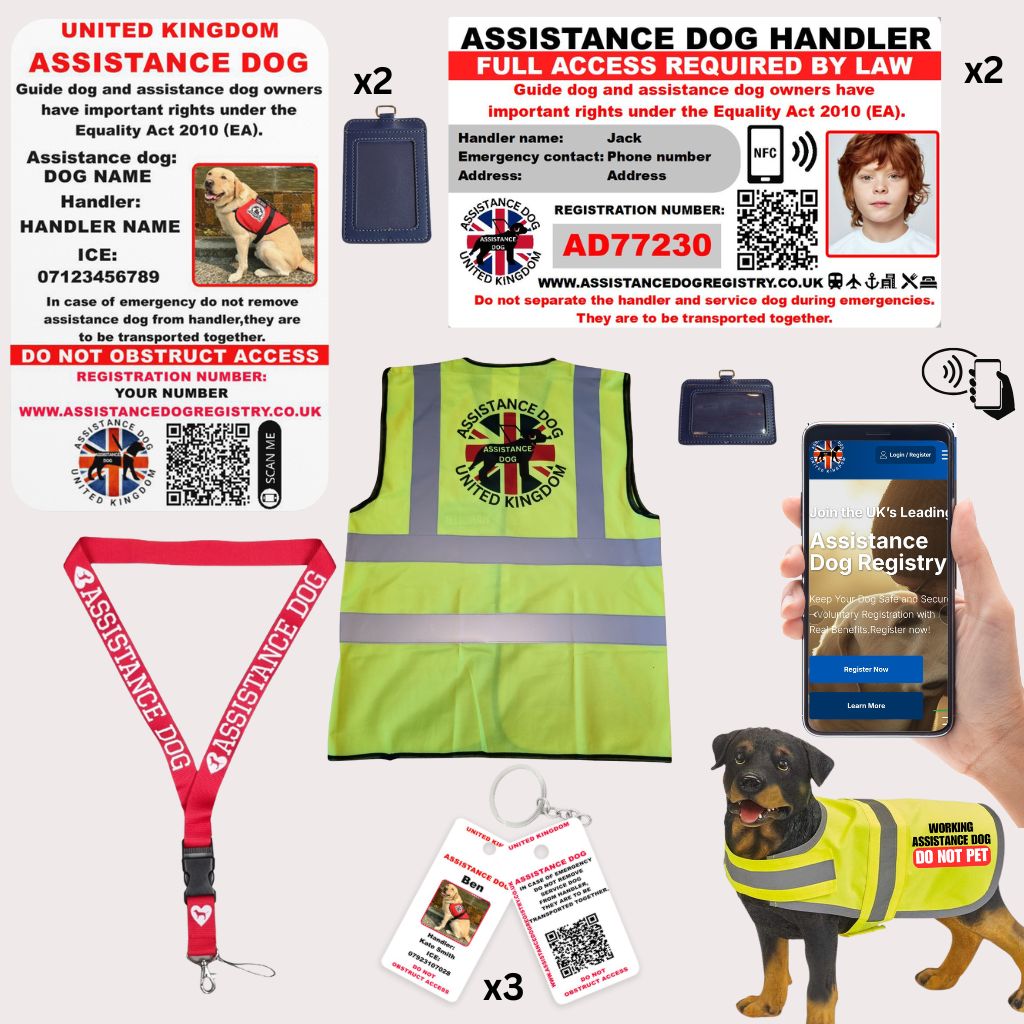
That’s exactly why we created AssistanceDogRegistry.co.uk. Our Lifetime Registration Package gives real handlers practical tools to reduce the chance of being questioned or denied access.
With our package, you’ll receive:
While this does not replace legal rights, it gives you visible, convenient support to help educate others and protect your dignity in public spaces.
See the Lifetime Package Here »
Businesses must understand that:
Educating staff on these facts isn’t optional — it’s a legal and moral responsibility.
Disability shouldn’t come with humiliation.
But it will — unless we educate, clarify, and support each other.
If you or someone you love relies on an assistance dog, take a moment to know your rights — and consider tools that can help avoid confusion when it matters most.
Together, we can make public spaces safer and more respectful for those who rely on assistance dogs every day.
Important: The law does not require a dog to be trained by a charity. Owner-trained dogs are legally recognized as long as they perform specific tasks that assist with a disability.
🚫 Is Registration Legally Required? No. There is no legal requirement to register your assistance dog in the UK. Your rights are protected based on what your dog does, not whether they appear on a registry.
✅ So Why Register Voluntarily? While it's not mandatory, registering your dog can:
🌟 Spotlight: Lifelong Partnership Package One of our most popular options is the Lifelong Partnership Package, which includes:
📄 Busting Common Myths:
🏡 Your Rights in Public and Housing Your dog is considered an auxiliary aid — like a wheelchair or hearing aid. That means:
🚩 Final Thoughts Whether you're training your own dog or using a professionally trained one, your rights matter. Tools like voluntary registration, ID cards, and digital profiles can make life easier and smoother for both you and your dog.
🎟️ Sign Up for the Lifetime Package Today
💡 Click here to learn more & register
FAQ
1. What is an assistance dog?
An assistance dog is trained to perform specific tasks to aid individuals with disabilities, enhancing their independence and quality of life.
2. Why is socialization important for assistance dogs?
Proper socialization ensures assistance dogs remain calm, focused, and well-behaved in various public settings, enabling them to perform their duties effectively.
3. At what age should I start socializing my assistance dog?
It's beneficial to begin socialization during puppyhood; however, with patience and consistent training, dogs of any age can learn to navigate public environments confidently.
4. How long does it take to socialize an assistance dog?
The duration varies based on the dog's temperament, previous experiences, and the consistency of training. Regular, positive exposure to different environments is key.
5. Can I socialize my assistance dog if they are older?
Yes, older dogs can be socialized successfully. While it may require more time and patience, with positive reinforcement, they can adapt to new situations.
6. What should I do if my assistance dog shows fear in public?
If your dog exhibits fear, calmly remove them from the situation and gradually reintroduce the stimulus at a comfortable distance, rewarding calm behavior.
7. How do I handle public distractions during training?
Teach focus commands like "watch me" to redirect your dog's attention. Gradual exposure to distractions, paired with positive reinforcement, can improve focus.
8. Are there specific public places ideal for socialization?
Begin with quiet areas like parks, then progress to busier environments such as cafes, public transport, and shopping centres as your dog becomes more comfortable.
9. How can I ensure my assistance dog behaves appropriately around other animals?
Controlled introductions and rewarding calm behaviour are essential. Consistent training helps your dog remain focused on their tasks, even around other animals.
10. What are the legal requirements for assistance dogs in public places?
In many regions, assistance dogs are permitted in public areas to support their handlers. It's important to familiarize yourself with local laws and regulations regarding assistance dogs.
📌 Housing Accommodation Request Letter – Need to request reasonable accommodation from your landlord? This template ensures your rights under the Equality Act 2010 are respected.
📌 Workplace Assistance Dog Request Letter – If you need accommodations to bring your assistance dog to work, this letter outlines your legal rights and reasonable adjustments your employer should consider.
📌 Medical Confirmation of Need for an Assistance Dog – A doctor’s letter template to confirm your need for an assistance dog for public access, travel, and daily life.

Whether you're already a handler or considering training your own dog, it's important to understand the legal protections, responsibilities, and benefits surrounding assistance dogs in the UK.
We've just released a new podcast episode that dives into the most common questions people have about assistance dogs, owner training, public access rights, and voluntary registration. This blog post recaps the key takeaways.
✨ Watch or Listen:
🔗 What Is an Assistance Dog in the UK? Under the Equality Act 2010, an assistance dog is defined as any dog trained to assist someone with a disability. This includes not only guide dogs for the visually impaired but also dogs trained to help with hearing impairments, mobility challenges, medical alerts (e.g., epilepsy or diabetes), PTSD, autism, and more.
Important: The law does not require a dog to be trained by a charity. Owner-trained dogs are legally recognized as long as they perform specific tasks that assist with a disability.
🚫 Is Registration Legally Required? No. There is no legal requirement to register your assistance dog in the UK. Your rights are protected based on what your dog does, not whether they appear on a registry.
✅ So Why Register Voluntarily? While it's not mandatory, registering your dog can:
🌟 Spotlight: Lifelong Partnership Package One of our most popular options is the Lifelong Partnership Package, which includes:
📄 Busting Common Myths:
🏡 Your Rights in Public and Housing Your dog is considered an auxiliary aid — like a wheelchair or hearing aid. That means:
🚩 Final Thoughts Whether you're training your own dog or using a professionally trained one, your rights matter. Tools like voluntary registration, ID cards, and digital profiles can make life easier and smoother for both you and your dog.
🎟️ Sign Up for the Lifetime Package Today
💡 Click here to learn more & register
FAQ
1. What is an assistance dog?
An assistance dog is trained to perform specific tasks to aid individuals with disabilities, enhancing their independence and quality of life.
2. Why is socialization important for assistance dogs?
Proper socialization ensures assistance dogs remain calm, focused, and well-behaved in various public settings, enabling them to perform their duties effectively.
3. At what age should I start socializing my assistance dog?
It's beneficial to begin socialization during puppyhood; however, with patience and consistent training, dogs of any age can learn to navigate public environments confidently.
4. How long does it take to socialize an assistance dog?
The duration varies based on the dog's temperament, previous experiences, and the consistency of training. Regular, positive exposure to different environments is key.
5. Can I socialize my assistance dog if they are older?
Yes, older dogs can be socialized successfully. While it may require more time and patience, with positive reinforcement, they can adapt to new situations.
6. What should I do if my assistance dog shows fear in public?
If your dog exhibits fear, calmly remove them from the situation and gradually reintroduce the stimulus at a comfortable distance, rewarding calm behavior.
7. How do I handle public distractions during training?
Teach focus commands like "watch me" to redirect your dog's attention. Gradual exposure to distractions, paired with positive reinforcement, can improve focus.
8. Are there specific public places ideal for socialization?
Begin with quiet areas like parks, then progress to busier environments such as cafes, public transport, and shopping centres as your dog becomes more comfortable.
9. How can I ensure my assistance dog behaves appropriately around other animals?
Controlled introductions and rewarding calm behaviour are essential. Consistent training helps your dog remain focused on their tasks, even around other animals.
10. What are the legal requirements for assistance dogs in public places?
In many regions, assistance dogs are permitted in public areas to support their handlers. It's important to familiarize yourself with local laws and regulations regarding assistance dogs.
📌 Housing Accommodation Request Letter – Need to request reasonable accommodation from your landlord? This template ensures your rights under the Equality Act 2010 are respected.
📌 Workplace Assistance Dog Request Letter – If you need accommodations to bring your assistance dog to work, this letter outlines your legal rights and reasonable adjustments your employer should consider.
📌 Medical Confirmation of Need for an Assistance Dog – A doctor’s letter template to confirm your need for an assistance dog for public access, travel, and daily life.
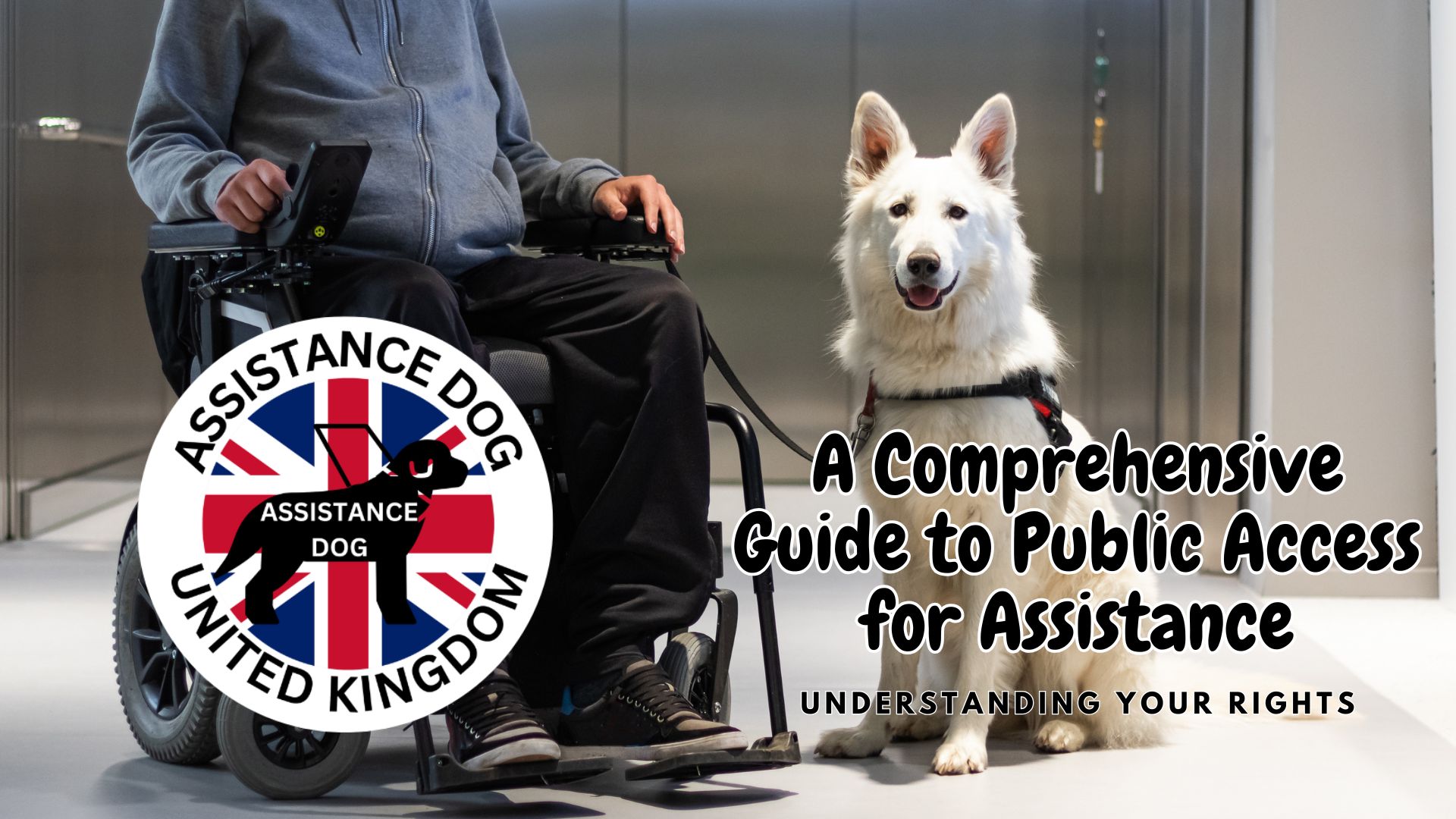
Venture confidently into public spaces with your self-trained assistance dog, armed with the knowledge of your legal rights in the UK. This guide simplifies the complexities of the Equality Act 2010, focusing on how it supports you and your canine partner.
Understanding the Equality Act 2010:
At the heart of disability rights in the UK, the Equality Act 2010 is pivotal for assistance dog handlers. It guarantees that those relying on self-trained dogs receive the same access as professionally trained service animals, emphasizing inclusivity and accessibility.
Key Rights Under the Equality Act 2010:
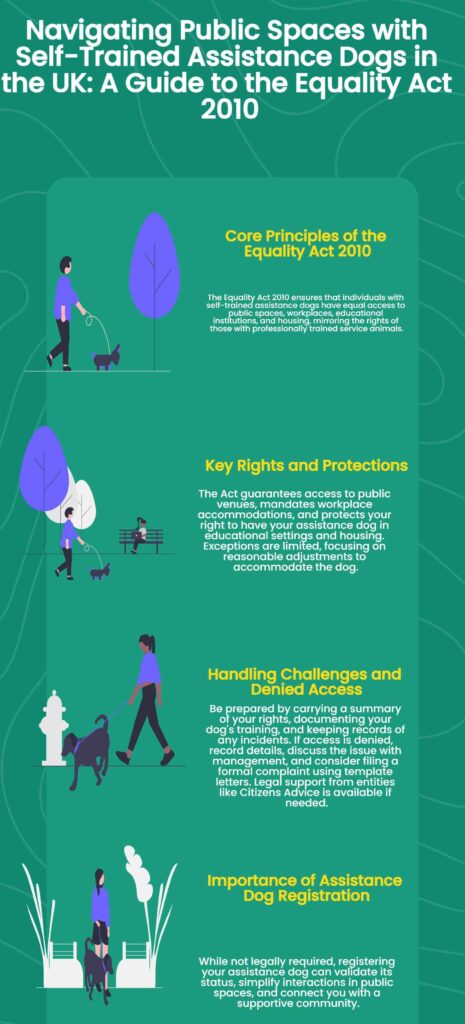
Navigating Challenges with Confidence:
Immediate Steps If Denied Access:
Why Register Your Assistance Dog?
While not mandatory, registration validates your dog’s status, facilitating smoother public interactions and providing access to a supportive community.

Conclusion:
Embrace your rights under the Equality Act 2010. With this guide, you’re equipped to face public spaces with your self-trained assistance dog not just as a companion, but as a recognized and respected part of your life.
🎟️ Sign Up for the Lifetime Package Today
💡 Click here to learn more & register
FAQ
1. What is an assistance dog?
An assistance dog is trained to perform specific tasks to aid individuals with disabilities, enhancing their independence and quality of life.
2. Why is socialization important for assistance dogs?
Proper socialization ensures assistance dogs remain calm, focused, and well-behaved in various public settings, enabling them to perform their duties effectively.
3. At what age should I start socializing my assistance dog?
It's beneficial to begin socialization during puppyhood; however, with patience and consistent training, dogs of any age can learn to navigate public environments confidently.
4. How long does it take to socialize an assistance dog?
The duration varies based on the dog's temperament, previous experiences, and the consistency of training. Regular, positive exposure to different environments is key.
5. Can I socialize my assistance dog if they are older?
Yes, older dogs can be socialized successfully. While it may require more time and patience, with positive reinforcement, they can adapt to new situations.
6. What should I do if my assistance dog shows fear in public?
If your dog exhibits fear, calmly remove them from the situation and gradually reintroduce the stimulus at a comfortable distance, rewarding calm behavior.
7. How do I handle public distractions during training?
Teach focus commands like "watch me" to redirect your dog's attention. Gradual exposure to distractions, paired with positive reinforcement, can improve focus.
8. Are there specific public places ideal for socialization?
Begin with quiet areas like parks, then progress to busier environments such as cafes, public transport, and shopping centres as your dog becomes more comfortable.
9. How can I ensure my assistance dog behaves appropriately around other animals?
Controlled introductions and rewarding calm behaviour are essential. Consistent training helps your dog remain focused on their tasks, even around other animals.
10. What are the legal requirements for assistance dogs in public places?
In many regions, assistance dogs are permitted in public areas to support their handlers. It's important to familiarize yourself with local laws and regulations regarding assistance dogs.
📌 Housing Accommodation Request Letter – Need to request reasonable accommodation from your landlord? This template ensures your rights under the Equality Act 2010 are respected.
📌 Workplace Assistance Dog Request Letter – If you need accommodations to bring your assistance dog to work, this letter outlines your legal rights and reasonable adjustments your employer should consider.
📌 Medical Confirmation of Need for an Assistance Dog – A doctor’s letter template to confirm your need for an assistance dog for public access, travel, and daily life.

Introduction: Training an assistance dog on your own can be a rewarding yet challenging journey. This guide is designed to help handlers who choose to train their assistance dogs independently, providing them with essential tips and techniques to ensure their success. From basic obedience to specific task training, let’s explore how you can effectively train your future service companion.
Understanding the Basics: Before diving into training specifics, it’s crucial to understand what makes a good assistance dog. Traits such as calmness, intelligence, and a willingness to learn are foundational. Begin with basic obedience training, which is the cornerstone for any assistance dog. Commands like sit, stay, come, and heel should be mastered before moving on to more complex tasks.

Socialization and Exposure: One of the most important aspects of training an assistance dog is socialization. Expose your dog to different environments, people, and other animals as early and as often as possible. This exposure helps your dog become adaptable and comfortable in various situations, reducing anxiety or distraction in public spaces.
Task-Specific Training: Depending on your needs, your assistance dog will need to perform specific tasks. This could include retrieving objects, opening doors, or providing stability and support. Break down each task into small, manageable steps and train consistently. Use positive reinforcement such as treats, praise, and play to encourage and reward your dog.
Consistency and Patience: Consistency is key in any form of training. Set a regular training schedule and stick to it. Be patient and understanding—some days might be more challenging than others. Remember, training an assistance dog is a marathon, not a sprint, and building a strong, trusting relationship with your dog is essential.
Handling Distractions: Training your dog to handle distractions is crucial for an assistance dog. Gradually introduce distractions during training sessions, starting from minimal to more significant distractions. This teaches your dog to focus on you and the task at hand, regardless of the environment.
Health and Wellness: A healthy dog is a trainable dog. Ensure your assistance dog is well-cared for, with regular veterinary check-ups, a nutritious diet, and plenty of exercise. Mental health is just as important, so provide your dog with mental stimulation through toys, puzzles, and new challenges.
Record Keeping and Progress Tracking: Keep a training log to track your progress and any challenges you encounter. This can be invaluable for reviewing what works, what doesn’t, and adjusting your training methods accordingly.
Seeking Professional Help: While training your dog independently, don’t hesitate to seek professional help when needed. Attending workshops, consulting with professional trainers, or joining support groups can provide you with additional support and guidance.

Mastering the Recall Command: The recall command is one of the most important skills your assistance dog can learn. It ensures that your dog can return to you promptly in any situation, which is crucial for both safety and management. Effective training for recall includes:

Teaching 'Leave It' – A Vital Impulse Control Skill: "Leave it" is an essential command that helps prevent your dog from picking up dangerous or unwanted items. Steps to train this include:
Conclusion: Training your own assistance dog is a profound journey that enhances the bond between you and your dog. By following these tips, you can equip your dog with the skills needed to assist you effectively. Remember, every dog is different, so adapt these strategies to suit your dog’s personality and capabilities.
🎟️ Sign Up for the Lifetime Package Today
💡 Click here to learn more & register
FAQ
1. What is an assistance dog?
An assistance dog is trained to perform specific tasks to aid individuals with disabilities, enhancing their independence and quality of life.
2. Why is socialization important for assistance dogs?
Proper socialization ensures assistance dogs remain calm, focused, and well-behaved in various public settings, enabling them to perform their duties effectively.
3. At what age should I start socializing my assistance dog?
It's beneficial to begin socialization during puppyhood; however, with patience and consistent training, dogs of any age can learn to navigate public environments confidently.
4. How long does it take to socialize an assistance dog?
The duration varies based on the dog's temperament, previous experiences, and the consistency of training. Regular, positive exposure to different environments is key.
5. Can I socialize my assistance dog if they are older?
Yes, older dogs can be socialized successfully. While it may require more time and patience, with positive reinforcement, they can adapt to new situations.
6. What should I do if my assistance dog shows fear in public?
If your dog exhibits fear, calmly remove them from the situation and gradually reintroduce the stimulus at a comfortable distance, rewarding calm behavior.
7. How do I handle public distractions during training?
Teach focus commands like "watch me" to redirect your dog's attention. Gradual exposure to distractions, paired with positive reinforcement, can improve focus.
8. Are there specific public places ideal for socialization?
Begin with quiet areas like parks, then progress to busier environments such as cafes, public transport, and shopping centres as your dog becomes more comfortable.
9. How can I ensure my assistance dog behaves appropriately around other animals?
Controlled introductions and rewarding calm behaviour are essential. Consistent training helps your dog remain focused on their tasks, even around other animals.
10. What are the legal requirements for assistance dogs in public places?
In many regions, assistance dogs are permitted in public areas to support their handlers. It's important to familiarize yourself with local laws and regulations regarding assistance dogs.
📌 Housing Accommodation Request Letter – Need to request reasonable accommodation from your landlord? This template ensures your rights under the Equality Act 2010 are respected.
📌 Workplace Assistance Dog Request Letter – If you need accommodations to bring your assistance dog to work, this letter outlines your legal rights and reasonable adjustments your employer should consider.
📌 Medical Confirmation of Need for an Assistance Dog – A doctor’s letter template to confirm your need for an assistance dog for public access, travel, and daily life.

Assistance dogs play a crucial role in helping people with disabilities lead more independent lives. Whether guiding visually impaired individuals, assisting with mobility, or providing medical alerts, these highly trained dogs make a significant impact. However, many people are unaware that assistance dogs can be owner-trained or charity-trained—each with its advantages and challenges.
In this blog post, we’ll explore the key differences between owner-trained and charity-trained assistance dogs, dispel common myths, and clarify legal rights under the Equality Act 2010 in the UK.
An assistance dog is trained to perform specific tasks to assist an individual with a disability. These tasks can include:
While many people think only guide dogs or service dogs from charities qualify as assistance dogs, UK law does not require an assistance dog to be charity-trained to receive public access rights.
Charity-trained assistance dogs are professionally trained by non-profit organizations, such as:
An owner-trained assistance dog is one that an individual personally trains to assist with their specific disability. Training can be done independently or with the help of professional dog trainers.
Under the Equality Act 2010, an assistance dog is legally recognized if:
❌ Myth: Only Charity-Trained Dogs Are Legal Assistance Dogs ✔️ Fact: UK law does not require dogs to be trained by a charity. Owner-trained dogs are fully legal.
❌ Myth: Assistance Dogs Must Be Certified ✔️ Fact: There is no legal certification or registration requirement for assistance dogs in the UK.
❌ Myth: Businesses Can Refuse Entry to Owner-Trained Assistance Dogs ✔️ Fact: Under the Equality Act, businesses must allow access to assistance dogs, regardless of whether they were charity-trained or owner-trained.
Even though the law protects owner-trained assistance dogs, education and preparation can help ensure smoother public access.
The choice between an owner-trained and charity-trained assistance dog depends on your needs, lifestyle, and resources.
Choose a Charity-Trained Dog if: ✔️ You want a fully trained dog from a professional organization. ✔️ You are willing to wait several years for a placement. ✔️ You need ongoing support and guidance.
Choose an Owner-Trained Dog if: ✔️ You want full control over the training process. ✔️ You need a dog immediately and don’t want to wait for a charity placement. ✔️ You’re willing to invest time in learning proper training techniques.
Regardless of which path you choose, assistance dogs provide invaluable support for individuals with disabilities. If you’re considering training your own dog, be patient, stay committed, and know that you have legal rights protecting your access to public places.
dog is protected by law. If a landlord refuses, remind them of their legal obligations under the Equality Act 2010 and provide reasonable documentation. For added credibility, consider registering your assistance dog with our voluntary registry for ID cards, NFC verification, and legal support.
🎟️ Sign Up for the Lifetime Package Today
💡 Click here to learn more & register
FAQ
1. What is an assistance dog?
An assistance dog is trained to perform specific tasks to aid individuals with disabilities, enhancing their independence and quality of life.
2. Why is socialization important for assistance dogs?
Proper socialization ensures assistance dogs remain calm, focused, and well-behaved in various public settings, enabling them to perform their duties effectively.
3. At what age should I start socializing my assistance dog?
It's beneficial to begin socialization during puppyhood; however, with patience and consistent training, dogs of any age can learn to navigate public environments confidently.
4. How long does it take to socialize an assistance dog?
The duration varies based on the dog's temperament, previous experiences, and the consistency of training. Regular, positive exposure to different environments is key.
5. Can I socialize my assistance dog if they are older?
Yes, older dogs can be socialized successfully. While it may require more time and patience, with positive reinforcement, they can adapt to new situations.
6. What should I do if my assistance dog shows fear in public?
If your dog exhibits fear, calmly remove them from the situation and gradually reintroduce the stimulus at a comfortable distance, rewarding calm behavior.
7. How do I handle public distractions during training?
Teach focus commands like "watch me" to redirect your dog's attention. Gradual exposure to distractions, paired with positive reinforcement, can improve focus.
8. Are there specific public places ideal for socialization?
Begin with quiet areas like parks, then progress to busier environments such as cafes, public transport, and shopping centres as your dog becomes more comfortable.
9. How can I ensure my assistance dog behaves appropriately around other animals?
Controlled introductions and rewarding calm behaviour are essential. Consistent training helps your dog remain focused on their tasks, even around other animals.
10. What are the legal requirements for assistance dogs in public places?
In many regions, assistance dogs are permitted in public areas to support their handlers. It's important to familiarize yourself with local laws and regulations regarding assistance dogs.
📌 Housing Accommodation Request Letter – Need to request reasonable accommodation from your landlord? This template ensures your rights under the Equality Act 2010 are respected.
📌 Workplace Assistance Dog Request Letter – If you need accommodations to bring your assistance dog to work, this letter outlines your legal rights and reasonable adjustments your employer should consider.
📌 Medical Confirmation of Need for an Assistance Dog – A doctor’s letter template to confirm your need for an assistance dog for public access, travel, and daily life.

Many tenants with disabilities face challenges when renting a property, especially when landlords enforce strict ‘no pets’ policies. If you have an assistance dog, you might wonder—can a landlord refuse to accommodate my dog? The answer lies in your rights under the Equality Act 2010 and reasonable accommodations landlords are legally required to make.
In the UK, the Equality Act 2010 protects individuals with disabilities from discrimination, ensuring they have equal access to housing, employment, and public services. This protection extends to assistance dogs, even if the property has a ‘no pets’ policy.
💡 Key Legal Protections:
If your landlord refuses to allow your assistance dog, you have several options:
While assistance dogs in the UK do not require official certification, many handlers find that having a recognized registration helps when dealing with landlords, travel companies, and businesses.
Latest Research & News Updates – Updates on recent legal cases, research findings, and news related to assistance dogs in the UK.
Personalized ID Cards & Dog Tags – Visibly identify your assistance dog.
NFC-Enabled Profile – Quick and easy verification with a smartphone.
If your landlord is hesitant about allowing your assistance dog, use this ready-to-download template to formally request accommodation and assert your legal rights.
Template 1:For registered dogs on assistancedogregistry.co.uk
 Loading...
Template 2:Letter for non registered assistance dog.
Loading...
If you experience any issues accessing the templates, feel free to contact us at [email protected], and we’ll be happy to email them to you directly
Your right to live with your assistance dog is protected by law. If a landlord refuses, remind them of their legal obligations under the Equality Act 2010 and provide reasonable documentation. For added credibility, consider registering your assistance dog with our voluntary registry for ID cards, NFC verification, and legal support.
🎟️ Sign Up for the Lifetime Package Today
💡 Click here to learn more & register
FAQ
1. What is an assistance dog?
An assistance dog is trained to perform specific tasks to aid individuals with disabilities, enhancing their independence and quality of life.
2. Why is socialization important for assistance dogs?
Proper socialization ensures assistance dogs remain calm, focused, and well-behaved in various public settings, enabling them to perform their duties effectively.
3. At what age should I start socializing my assistance dog?
It's beneficial to begin socialization during puppyhood; however, with patience and consistent training, dogs of any age can learn to navigate public environments confidently.
4. How long does it take to socialize an assistance dog?
The duration varies based on the dog's temperament, previous experiences, and the consistency of training. Regular, positive exposure to different environments is key.
5. Can I socialize my assistance dog if they are older?
Yes, older dogs can be socialized successfully. While it may require more time and patience, with positive reinforcement, they can adapt to new situations.
6. What should I do if my assistance dog shows fear in public?
If your dog exhibits fear, calmly remove them from the situation and gradually reintroduce the stimulus at a comfortable distance, rewarding calm behavior.
7. How do I handle public distractions during training?
Teach focus commands like "watch me" to redirect your dog's attention. Gradual exposure to distractions, paired with positive reinforcement, can improve focus.
8. Are there specific public places ideal for socialization?
Begin with quiet areas like parks, then progress to busier environments such as cafes, public transport, and shopping centres as your dog becomes more comfortable.
9. How can I ensure my assistance dog behaves appropriately around other animals?
Controlled introductions and rewarding calm behaviour are essential. Consistent training helps your dog remain focused on their tasks, even around other animals.
10. What are the legal requirements for assistance dogs in public places?
In many regions, assistance dogs are permitted in public areas to support their handlers. It's important to familiarize yourself with local laws and regulations regarding assistance dogs.
Learn more about our Lifelong Partner Package
If you found this travel guide useful, you may also benefit from these other essential assistance dog letter templates we’ve published:
📌 Housing Accommodation Request Letter – Need to request reasonable accommodation from your landlord? This template ensures your rights under the Equality Act 2010 are respected.
📌 Workplace Assistance Dog Request Letter – If you need accommodations to bring your assistance dog to work, this letter outlines your legal rights and reasonable adjustments your employer should consider.
📌 Medical Confirmation of Need for an Assistance Dog – A doctor’s letter template to confirm your need for an assistance dog for public access, travel, and daily life.
🔹 More templates are coming soon! Let us know if you have specific needs, and we’ll create more resources to support assistance dog handlers.
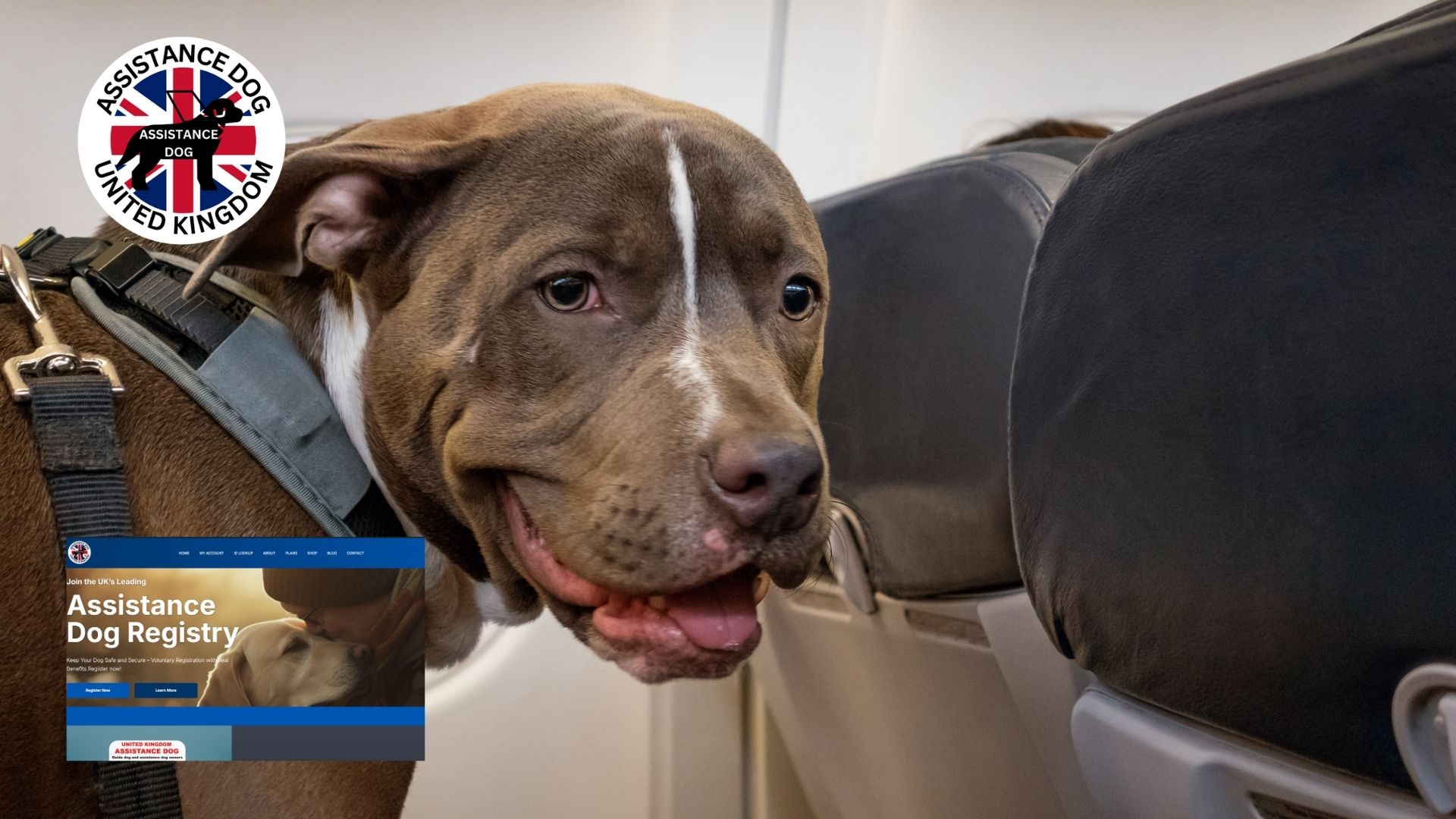
For many assistance dog handlers, the idea of air travel brings a mix of excitement and anxiety. While others pack their bags without a second thought, you’re left wondering:
You're not alone. Many handlers face these uncertainties because assistance dog policies vary between airlines, and not all staff are properly trained on the Equality Act 2010—a law that protects your rights to travel with your assistance dog, regardless of where it was trained.
This guide will walk you through your legal rights, what airlines expect, and how to prepare for your journey so you can board your flight with confidence.
Under the Equality Act 2010, individuals with disabilities are legally protected from discrimination, ensuring equal access to services—including air travel.
✅ Your assistance dog does NOT need to be trained by a specific organization. Owner-trained dogs are legally recognized just like those from accredited programs.
✅ Airlines and airport staff cannot deny you access simply because your dog was not trained by a charity.
✅ You have the right to reasonable accommodations, such as seating arrangements that allow your dog to stay with you comfortably.
📌 But here’s the challenge: Not all airline staff are familiar with these laws. That’s why having proper documentation can make a huge difference in avoiding unnecessary delays or questioning at the airport.
Each airline has different rules for traveling with assistance dogs, so it’s essential to prepare ahead of time.
📞 Advance Notification
Most airlines require you to inform them at least 48-72 hours before your flight. For example:
📑 Documents That Can Help
While there is no legal requirement to provide ID or paperwork, carrying documentation that confirms your dog’s role can reduce stress and make interactions with airline staff smoother.
💉 Health & Safety Measures
Make sure your dog is:
✈️ What If an Airline Questions Your Dog?
Unfortunately, some airline staff may still challenge your right to fly with your assistance dog—especially if they are unfamiliar with UK laws.
🚀 That’s why we’ve created a Downloadable Assistance Dog Travel Letter Template to help you communicate your rights quickly and efficiently.
Template 1:For registered dogs on assistancedogregistry.co.uk / Success rate 92% /
Loading...
Template 2:Letter for non registered assistance dog./Success rate 72%/
Loading...
This letter references the Equality Act 2010, confirming your dog’s legal status as an assistance animal. It is designed to be presented to airline staff, ensuring a smoother boarding experience.
Many handlers tell us the biggest challenge of traveling is proving their dog’s status over and over again. That’s where our Lifetime Registration Package comes in.
📌 With Lifetime Registration, you get:
🔹 Official ID Cards & Dog Tags – Clearly display your dog’s assistance status, making it easier for staff to recognize.
🔹 NFC-Enabled Digital Profile – A simple scan provides instant verification of your dog’s credentials—no need for long explanations!
🔹 Legal Guidance & Resources – Access expert-backed information so you can travel without fear of being turned away.
🎟️ Sign Up for the Lifetime Package Today
💡 Click here to learn more & register
Traveling with an assistance dog shouldn’t feel like an obstacle course. By understanding your rights, preparing in advance, and having the right documents & ID, you can make air travel as smooth as possible.
Let’s make your next trip stress-free. Get your Assistance Dog Travel Letter & Lifetime Registration Package today!Registry can support your partnership?
Learn more about our Lifelong Partner Package
FAQ
1. What is an assistance dog?
An assistance dog is trained to perform specific tasks to aid individuals with disabilities, enhancing their independence and quality of life.
2. Why is socialization important for assistance dogs?
Proper socialization ensures assistance dogs remain calm, focused, and well-behaved in various public settings, enabling them to perform their duties effectively.
3. At what age should I start socializing my assistance dog?
It's beneficial to begin socialization during puppyhood; however, with patience and consistent training, dogs of any age can learn to navigate public environments confidently.
4. How long does it take to socialize an assistance dog?
The duration varies based on the dog's temperament, previous experiences, and the consistency of training. Regular, positive exposure to different environments is key.
5. Can I socialize my assistance dog if they are older?
Yes, older dogs can be socialized successfully. While it may require more time and patience, with positive reinforcement, they can adapt to new situations.
6. What should I do if my assistance dog shows fear in public?
If your dog exhibits fear, calmly remove them from the situation and gradually reintroduce the stimulus at a comfortable distance, rewarding calm behavior.
7. How do I handle public distractions during training?
Teach focus commands like "watch me" to redirect your dog's attention. Gradual exposure to distractions, paired with positive reinforcement, can improve focus.
8. Are there specific public places ideal for socialization?
Begin with quiet areas like parks, then progress to busier environments such as cafes, public transport, and shopping centers as your dog becomes more comfortable.
9. How can I ensure my assistance dog behaves appropriately around other animals?
Controlled introductions and rewarding calm behavior are essential. Consistent training helps your dog remain focused on their tasks, even around other animals.
10. What are the legal requirements for assistance dogs in public places?
In many regions, assistance dogs are permitted in public areas to support their handlers. It's important to familiarize yourself with local laws and regulations regarding assistance dogs.
Learn more about our Lifelong Partner Package
If you found this travel guide useful, you may also benefit from these other essential assistance dog letter templates we’ve published:
📌 Housing Accommodation Request Letter – Need to request reasonable accommodation from your landlord? This template ensures your rights under the Equality Act 2010 are respected.
📌 Workplace Assistance Dog Request Letter – If you need accommodations to bring your assistance dog to work, this letter outlines your legal rights and reasonable adjustments your employer should consider.
📌 Medical Confirmation of Need for an Assistance Dog – A doctor’s letter template to confirm your need for an assistance dog for public access, travel, and daily life.
🔹 More templates are coming soon! Let us know if you have specific needs, and we’ll create more resources to support assistance dog handlers.
Loading...

If you own an assistance dog, you’ve likely encountered situations where you needed to explain your rights. Whether it’s accessing public places, securing housing, or requesting accommodations at work, having the right documentation can make all the difference.
To help you, we’ve created three essential Assistance Dog Letter Templates that you can download and customize for your needs. These letters can:
✅ Ensure smooth public access experiences
✅ Help you request reasonable accommodations at work
✅ Prevent housing discrimination by landlords
Many individuals with disabilities require an assistance dog for support in their daily lives, but they often face challenges when proving their legitimate need for one. A formal letter from a doctor can help validate this need and provide documentation that can be used when accessing public spaces, housing, and workplace accommodations.
This letter serves to:
Loading...
Under UK law, landlords cannot refuse tenancy to someone simply because they have an assistance dog. However, some may not be aware of this, leading to unnecessary complications. This letter:
Loading...
If you need to bring your assistance dog to work, this letter helps you formally request accommodations under the Equality Act 2010. It includes:
Loading...
Having the right documents on hand can save you time, frustration, and unnecessary legal challenges.
🔹 Need more assistance? Consider upgrading to our Lifetime Package, which includes additional resources, ID cards, and ongoing support.
If you found these templates useful, share this post with other assistance dog handlers who may need them. Let’s work together to ensure equal access and fair treatment for all!
Ready to learn more about how the Assistance Dog Registry can support your partnership?
Learn more about our Lifelong Partner Package
FAQ
1. What is an assistance dog?
An assistance dog is trained to perform specific tasks to aid individuals with disabilities, enhancing their independence and quality of life.
2. Why is socialization important for assistance dogs?
Proper socialization ensures assistance dogs remain calm, focused, and well-behaved in various public settings, enabling them to perform their duties effectively.
3. At what age should I start socializing my assistance dog?
It's beneficial to begin socialization during puppyhood; however, with patience and consistent training, dogs of any age can learn to navigate public environments confidently.
4. How long does it take to socialize an assistance dog?
The duration varies based on the dog's temperament, previous experiences, and the consistency of training. Regular, positive exposure to different environments is key.
5. Can I socialize my assistance dog if they are older?
Yes, older dogs can be socialized successfully. While it may require more time and patience, with positive reinforcement, they can adapt to new situations.
6. What should I do if my assistance dog shows fear in public?
If your dog exhibits fear, calmly remove them from the situation and gradually reintroduce the stimulus at a comfortable distance, rewarding calm behavior.
7. How do I handle public distractions during training?
Teach focus commands like "watch me" to redirect your dog's attention. Gradual exposure to distractions, paired with positive reinforcement, can improve focus.
8. Are there specific public places ideal for socialization?
Begin with quiet areas like parks, then progress to busier environments such as cafes, public transport, and shopping centers as your dog becomes more comfortable.
9. How can I ensure my assistance dog behaves appropriately around other animals?
Controlled introductions and rewarding calm behavior are essential. Consistent training helps your dog remain focused on their tasks, even around other animals.
10. What are the legal requirements for assistance dogs in public places?
In many regions, assistance dogs are permitted in public areas to support their handlers. It's important to familiarize yourself with local laws and regulations regarding assistance dogs.

Proper socialization is crucial for assistance dogs to ensure they remain calm, confident, and well-behaved in all public settings.
Whether you are training a new puppy or helping your assistance dog adjust to new environments, building strong social skills is a key part of their success. Here’s how to get started:
Socialization helps your dog become comfortable with different sights, sounds, and experiences. For an assistance dog, this is especially important, as they will accompany you into busy and sometimes stressful public spaces. A well-socialized dog is less likely to react negatively to unexpected situations, making outings smoother and safer for both of you.
If possible, begin socializing your dog as a puppy. Introduce them gradually to:
Take it slow—pushing your dog too quickly can overwhelm them. Focus on creating positive experiences.
To ensure your dog can handle everyday situations, practice in environments they are likely to encounter:
Reward your dog for calm behavior with treats, praise, or their favorite toy. If they show signs of stress, remove them from the situation and try again later. Consistent positive reinforcement builds their confidence.
Loud sounds like sirens or construction work can startle dogs. Gradually desensitize your dog by introducing noise at a low volume and increasing it over time.
Teach your dog to remain focused on you when people approach. Use a command like “watch me” and reward their attention.
If your dog gets excited or anxious in crowds, practice short visits, gradually increasing the time spent in these environments.
Good behavior must be reinforced every time. Even after your dog becomes confident, regular practice is important to maintain their skills.
A well-socialized assistance dog provides you with freedom, confidence, and peace of mind. They can accompany you anywhere, ensuring your safety and support without causing disruption.
Stay patient and flexible. Every dog learns at their own pace. Your bond will strengthen as you work together, and your dog will grow into a calm, capable companion.
Helpful Resources for Your Journey:
Assistance Dog Registry – Join a community of handlers and access helpful tools.
Assistance Dog Law Cards – Help you explain your legal rights in public.
ID Cards & NFC Tags – Provide quick information about your dog’s role and your contact details.
Ready to learn more about how the Assistance Dog Registry can support your partnership?
Learn more about our Lifelong Partner Package
FAQ
1. What is an assistance dog?
An assistance dog is trained to perform specific tasks to aid individuals with disabilities, enhancing their independence and quality of life.
2. Why is socialization important for assistance dogs?
Proper socialization ensures assistance dogs remain calm, focused, and well-behaved in various public settings, enabling them to perform their duties effectively.
3. At what age should I start socializing my assistance dog?
It's beneficial to begin socialization during puppyhood; however, with patience and consistent training, dogs of any age can learn to navigate public environments confidently.
4. How long does it take to socialize an assistance dog?
The duration varies based on the dog's temperament, previous experiences, and the consistency of training. Regular, positive exposure to different environments is key.
5. Can I socialize my assistance dog if they are older?
Yes, older dogs can be socialized successfully. While it may require more time and patience, with positive reinforcement, they can adapt to new situations.
6. What should I do if my assistance dog shows fear in public?
If your dog exhibits fear, calmly remove them from the situation and gradually reintroduce the stimulus at a comfortable distance, rewarding calm behavior.
7. How do I handle public distractions during training?
Teach focus commands like "watch me" to redirect your dog's attention. Gradual exposure to distractions, paired with positive reinforcement, can improve focus.
8. Are there specific public places ideal for socialization?
Begin with quiet areas like parks, then progress to busier environments such as cafes, public transport, and shopping centers as your dog becomes more comfortable.
9. How can I ensure my assistance dog behaves appropriately around other animals?
Controlled introductions and rewarding calm behavior are essential. Consistent training helps your dog remain focused on their tasks, even around other animals.
10. What are the legal requirements for assistance dogs in public places?
In many regions, assistance dogs are permitted in public areas to support their handlers. It's important to familiarize yourself with local laws and regulations regarding assistance dogs.

 Reload document
  Open in new tab